Library

Constantine_XI_Palaiologos_miniature

Constantine XI (1449-1453) and the capture of Constantinople by the Turks Territories recognize the authority of the last Byzantine emperor in Constantinople were reduced, with its immediate surroundings in Thrace, and most of the Peloponnesus or Morea, at some distance from the capital, governed by brothers king. Honesty, nobility, power, manhood and patriotism were the …

Continue reading May 29, 1453

milena_munteanu_1462175367

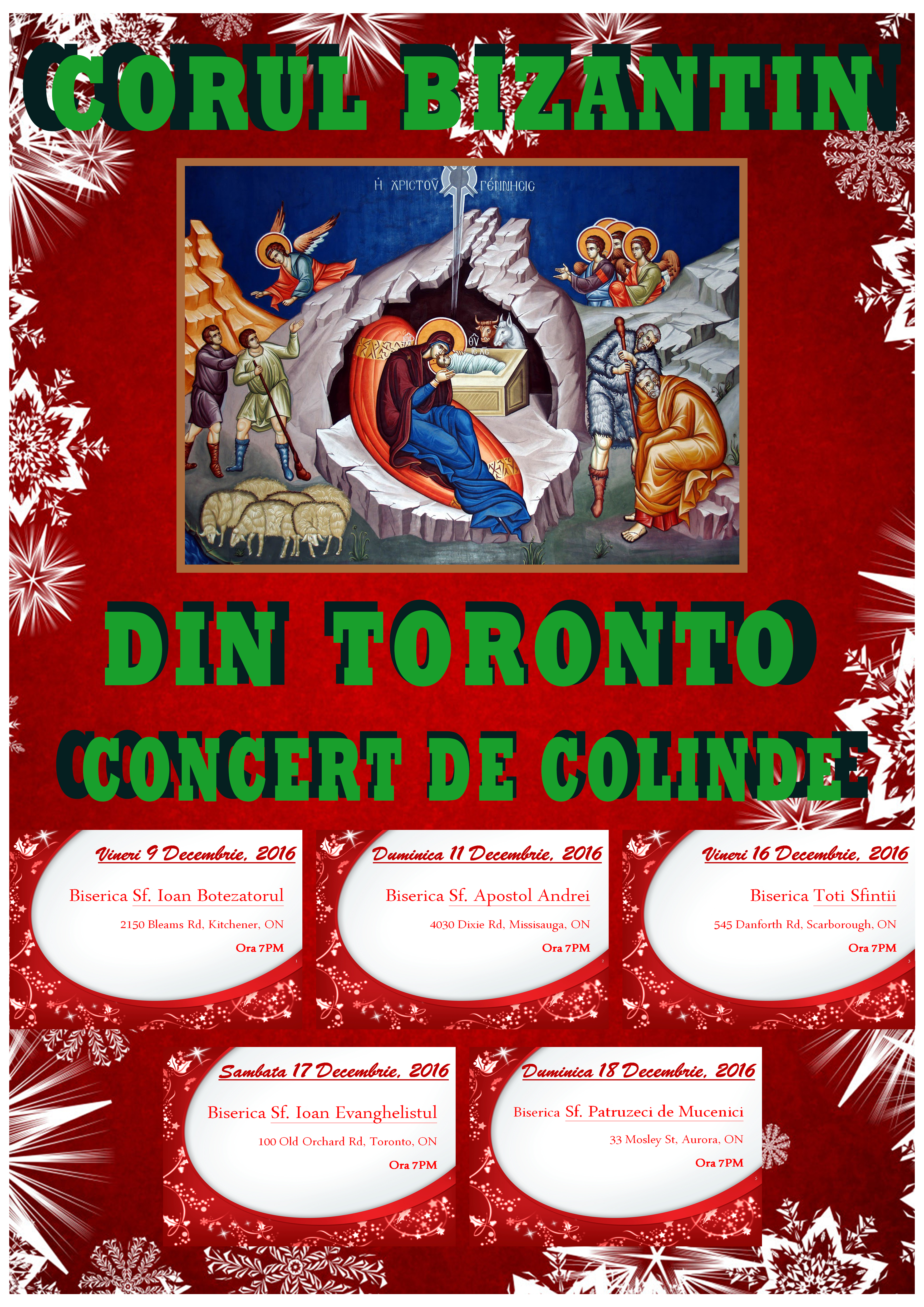
DIVINE CHANT Author: Milena Munteanu Published in literary confluences Issue no. 1949 of May 2, 2016 Byzantine Choir of Toronto has kept his word, returning the day of Saint George in front of a broad audience, as it promised to do, to support another one of thematic concerts according to the liturgical season of the …

Continue reading Divine chant

On February 20 marks 160 years since the abolition of slavery in the Romanian principalities time. After five centuries of the Middle Ages difficult in 1856, Roma were free men, without a master. „Musă ce lui Omir odinioară/ Cântaşi Vatrahomiomahia,/ Cântă şi mie, fii bunişoară,/ Toate câte făcu ţigănia,/ Când Vlad Vodă îi dede slobozie,/ …

Continue reading 160 years of freedom

“Πόλις αρχαιοτάτη και τωνγε εν τη εώα πασών αρίστη” Ioánnis Evghenikós Trebizond is the end of the most difficult and less hospitable sea routes on the southern shore of Pontus: a line laced beginning of the exit of the Bosphorus – the most beautiful piece of land in the world – and goes to Colchis, …

Continue reading Byzantine Trebizond

Saint Photius, Patriarch of Constantinople, “the Church’s far-gleaming beacon,” lived during the ninth century, and came from a family of zealous Christians. His father Sergius died as a martyr in defense of holy icons. St Photius received an excellent education and, since his family was related to the imperial house, he occupied the position of …

Continue reading St Photius the Patriarch of Constantinople