[:en]

LETTER OF PILATES WIFE, CLAUDIA PROCULA, TO HER FRIEND, FULVIA ROMELIA
The original of this letter it to be found among old manuscripts in one of the vast libraries in Italy. From the original a copy was prepared and sent, about the year 1643, to Bishop Dionysius of Constantinople. The following are its contents:

“From Claudia Procula, greetings to Fulvia Rornelia. “You, my faithful friend, are asking and begging me to describe the events which have happened since the day of our separation. The news of some of them may have reached you, but the secret way in which they were wrapped may arouse in you a feeling of anxiety and the desire to know how I am. I shall pay attention to your tender request and try to remember the links of the long chain of my 1ifes scattered memories. And should you see in my letter such circumstances as might startle your mind, remember that the forces of creation constitute an impenetrable and all-covering veil for our helpless and mortal understanding, and that, overwhelming the mortal being, these forces change the fate of his life. “I shall not describe the first days of my life, which so quickly passed by in the stillness of Nabron under the roof of my parents and under their protection.

“You know that, in the sixteenth year of my maiden life, I was united in marriage with the Roman Pilate, a descendant of a renowned family, and who at that time held a position as a governor in Italy. Immediately after our departure from the temple I had to go with Pontius to the province to which he had been appointed. Without happiness, but also without apprehension I went away with my husband who on the score of age could have been my father. I was very homesick for you—for the quiet residence of my parents, the happy haven of Nabron, the beautiful statues the soft groves of my birth- place. I remember-you with tears in my eyes. “The first years of my family life went by calmly and peacefully, Heaven blessed me with a son, and he was dearer to me than the light of day. I shared with him my leisure hours, my sorrows and my joys. My son was five years old when Pilate, by the Emperors grace, was appointed procurator of Judea. By such roads as are not easily described, we journeyed with our personnel, engaged as servants.

After some time I came to love this fertile and rich province which my husband had to rule in the name of Rome, the master of the nations. “In Jerusalem I was surrounded with tokens of respect and hand clasping : however, I lived in greater loneliness because of the pride and contempt with which the Hebrews met us. Foreigners and aliens, as they called us. They said that we profaned their holy land which God had promised them as their own. I passed the time with my son in silent forests where deer fed on olive branches; where palms with their delicate fronds, more beautiful than in Delos, rose |over blossoming orange-trees, and under fruit-bearing nards. Here in the cool shade I used to sew covers for the altars of the gods, or to read verses of Virgil which are so agreeable to hear and so appeasing to the heart. My husband spent his few spare moments with me. He was in a dark mood and grieved, for he wanted to rule with a strong hand, although in his task of keeping these people in submission, he was weak. These people had been for so long independent and by nature were inclined to rebellion. They were divided into a thousand boisterous sects, but in one point they were all united: namely, in their furious hatred against the Romans.

“So far one family of the better society in Jerusalem showed some benevolence towards me. This family belonged to the director of the Synagogue, Jairus. I found great pleasure in visiting his wife, Salome, who proved to be a model of kindness, and she also showed it in relation to her daughter, Semida, of 12 years of age. The latter was lovely and beautiful, like the dawn over Sharon, and had fair curls. “Sometimes they spoke to me of the God of their ancestors, and read parts of their holy books. “What shall I tell you, Fulvia? I remember certain hymns, works of Solomon, praising the God of Jacob, this only God, who is eternal and impenetrable. whose words and sentences we notice on our altars, calling them divine. I perceived that He was omnipotent and merciful, and combines in Himself kindness, purity and greatness. I remember Semida’s voice sounding like the strings of the harp when she sang the holy hymn to the wise and great king of Israel, and often in my loneliness and beside the cradle of my son I tried to play to Him on my instrument. Upon my knees I called Him many times; against my will I pleaded with this God in the humility and tranquillity of my soul and heart, and Him to Whom I committed my destiny and my welfare as a slave submits to his master, and oh, wonder! I immediately arose consoled and heartened. “After some time Semida fell ill. One morning, when I awoke, I was told that she had died, without great suffering, in the arms of her mother.

“Deeply upset by this news, I took my child to hurry to them to bewail her together with the mourners and her mother Salome. When I came to their house, my servants could only with great difficulty force a way for me through the throng, for many mourners and a large crowd had gathered before my friends home. At that moment I saw the crowd break, offering passage to a group of men who came nearer to the house, and at whom the people looked, with great interest and reverence. In the foremost row I recognized Semidas father; but instead of the depression I expected him to wear on his face, he showed a definite expression of hope, which I could not understand. With him walked three more men dressed in coarse clothes showing the trace of poverty and giving them the appearance of simple and uneducated people, but behind them walked a man, similarly clad, and in the prime of His youth.

“I raised my eyes to contemplate Him, but, as before the radiance of the sun, I had to turn them away immediately and to lower my eyes to the ground. It seemed His forehead was radiant, and His hair fell in locks on His shoulders in the manner of the Nazarenes. “I find it impossible to explain to you how I felt when I viewed Him. It was the highest agitation which I have ever experienced, for every feature in His face presented an unequaled beauty, but in this moment He inspired a certain secret fear by the glance of His eyes which, it seemed, might turn us into dust. I followed Him, without His knowing. “The door opened and I could see Semida, lying on a bed adorned with candlesticks and perfumes. She was still more beautiful in the heavenly restfulness which lay upon her but her forehead was of a pale pinkish color like the rose which had been placed on her. The finger of death had left its traces round her eyes and her concealed lips. Salome stood by her side, benumbed and almost without any feeling. It seemed that she had not even seen me. .

“Semidas father threw himself at the feet of the unknown man I have just described, who went nearer to the bed of the dead and showed Him his daughter, exclaiming: O my Lord, my daughter is in the arms of death, but if it is your will, she will arise. “When I heard these words I shiver-ed. My heart ceased to beat for an unknown reason. He took Semidas hand, and turning His powerful look on her, He said, Maid, arise! “Semida rose from her bed, as if supported by an invisible hand. Her eyes opened, a tender expression of life returned again to her lips and, stretching out her hands, she called, ‘Mother!’ At this call Salome awoke. Mother and daughter embraced each other, almost broken with emotion. Jairus fell at the feet of Him whom he had called Lord. Kissing the seam of His garment, he asked, What shall I do to receive eternal life? “Love God, and men. “After these words He disappeared like a mere shadow from the world of light. I was on my knees without knowing what I did. Then I rose as from a dream, and went home, leaving a happy family in their joy ; in such a joy as it is impossible to describe.

“At dinner I told Pontius what I had seen and heard. He lowered his head and said: You saw Jesus of Nazareth, the object of the hatred and contempt of the Pharisees and Sadducees, of the Herodian party, and of the dangerous and proud Levites from the temple. This hatred is increasing every day, and their only thought is how to bring Him to death. But the Nazarenes words are the words of a wise man and His miracles are really of God. “But why do they hate Him so strongly? I asked. “Because He shows up their morals and hypocrisy. I once heard Him saying to the Pharisees: “Whited sepulchers, breed of vipers, you impose heavy burdens upon your brethren, but you do not lift a finger for them. You pay the tithe with mint and cinnamon, but you are not interested in abiding by the laws, in faithful righteousness and mercy.” The meaning of these words is deep and true. He offended these proud and pompous people, and the outlook for the Nazarenes future is very dark. “But you will protect Him, isn’t that so? I exclaimed, highly indignant. “My power is too weak to oppose these rebellious and wretched people, On the other hand I would be deeply concerned should I become forced to spill the blood of this wise man.

“After these words Pontius rose and went into another room, deep in thoughts. I, however, remained in indescribable sorrow and sadness. “The day of the Passover approached. On this great and, for the Hebrews, so very important a Holy Day, a great many people from all parts of Judea gathered in Jerusalem to solemnly carry the victims of the feast to the temple. The procession generally took place on Thursday. Before this Holy Day Pontius told me that the Nazarenes future was extremely insecure. A conspiracy was brewing over His head, and it might be that on this evening He would be delivered into the hands of the High Priest. I trembled when I heard these words, and I asked my husband : You will protect Him, won’t you? “Can I? replied Pontius, with a mournful expression in his face. The late, of which Plato spoke, and which he predicted would befall righteous men, will, it seems, reach also to Jesus; He will be persecuted, contemptuously treated and delivered to a cruel death.’ “The time came to retire; but when I laid my head on the pillow to find sleep, a mysterious force suddenly took possession of my mind. I saw Jesus, appearing as she had described their God. His face shone in majesty like the sun.

He flew on cherub wings and a fiery flame executed His orders, and He stopped on a cloud. It appeared that He was ready to judge the people assembled before Him. With one gesture He separated the righteous from the wicked. The first. the righteous, were raised by Him to the great eternity of divine salvation, but the second the wicked were thrown in a fiery sea; in comparison with which the fires of Erebus and Phlegethon are nothing. When this heavenly judgment took place and attracted the attention of the people, He showed them His wounds with which His body was covered, and said with a terrible voice: Give me back my blood which I spilt for you! Then those unhappy men asked the rocks and the mountains of the earth to swallow and to cover them. In vain had they formerly felt secure from suffering, and in vain they protected themselves with the eternal and insurmountable illusion. They perished. What a dream, or better, what a revelation! “When the dawn came and lighted the roofs of the Temple, I arose with a heart full of fear from what I had seen, and to calm myself, sat near the window. But it seemed to me that in the center of the town sounds of shouting became audible, imprecations grew louder and louder, and this noise reached my ear like the roar of the waves of the sea. I was listening to this unintermitted uproar and my heart began to beat terribly and cold sweat streamed down my forehead.

Soon the noise came nearer and nearer, and the stairs which led up to the law courts were beset with an innumerable crowd. “In deep apprehension of what might unexpectedly happen, I took my son by the hand, put a thin coat on him, and ran to my husband. When we reached the inner door leading to the court hall, I heard a noise of louder voices; I had no courage to step in, but peeped through the purple curtains. “What a spectacle, Fulvia! Pontius sat on his ivory throne, in all the majesty with which Rome adorns her representatives; and apparently showed no fear, as if it was his intention to appear thus, and to bear an intrepid expression on his face; but I could quickly understand and catch his concern. “With bound hands, and clothes torn by blows He had suffered, and with a blood-covered forehead, Jesus of Nazareth, calm and undisturbed, stood before him. No signs of bitterness or fear were noticeable on His face. He was quiet like an innocent, and peaceful like a lamb. His peacefulness struck me with terror, for in my ears still sounded the words I had heard in my dream: Give me back My blood which I have spilt for you. Around Him stood the enraged and excited crowd which had brought Him before the tribunal.

The crowds of people were joined by guards and servants, Levites and Pharisees. whose eyes flamed with anger. The latter were distinguished by parchment rolls containing various texts of the laws, which they had bound to their heads. All these people burned from anger and envy, and it appeared to me that in their faces an infernal fire was shining. and that by the spirit Nina these voices had been mixed with the howling of hunted animals. “At last, after a sign given by my husband, silence was restored. What is your request? he asked. “We demand the death of this man, Jesus of Nazareth, one of the priests answered in the name of all the people. Herod sends Him to you that you may pass judgment. “Of what do you accuse Him? Of what does the gravity of His offense consist? Thereafter the echo of their fury was again to be heard. “He predicted the destruction of the Temple; He exalts Himself to the rank of the King of the Jews, to Christ, to The Son of God; He offended the Priests of Abraham’s seed, shouted the Levites. “He shall be crucified, cried the angry crowd. The echo of these vociferations is still in my ears, and the figure of the innocent victim will always stay before my eyes. “Then Pilate turned to Jesus and with altered voice asked Him, Are you King of the Jews? “You say so, answered Jesus. “Are you Christ, The Son of God? Pilate asked again. But Jesus did not answer.

“The shouting began again, even louder, and their voices were like the howling of wild, hungry animals. Deliver Him to us, so that He may die on the cross! : Pontius again ordered them to be silent, and said to them : I find no guilt in this man and I acquit Him. “Deliver Him to us I Crucify Him l sounded the furious voices of the people. I could stand this ;houting no longer, so beckoned one of my servants and sent him to my husband to ask him to come to me for a few moments. “Pontius at once left the court hall and came to me. I threw myself at his feet and said: “For the sake of all that is dear to you, and for this chi1ds sake, the token of our holy matrimonial bond, do not make yourself guilty by spilling the blood of this righteous man who is so like the immortal God. I saw Him in my dream last night. He was surrounded with divine majesty. He judged mankind, who trembled before Him, and among those unhappy ones who had been thrown into the fire of hell I noticed the faces of these who exacted His death. Take care and do not raise your profane hand against Him. Oh, believe me, that a single drop of this blood may be your damnation for all eternity. “All that is happening now frightens me also, answered Pontius, but what can I do ? The number of the Roman guards is extremely small and their protecting force very weak for these demoniac people. Mishap is after us; for they do not seek right, but revenge from the courts. Be quiet, Claudia! Go with the child in the garden! Your eyes are not made to watch such a frightful spectacle.

“After these words he went out and left me alone, and I shed bitter tears in my hopelessness and pity. Jesus was still the object of all the banter and beating in the courts on the part of the crowd and of rough soldiers; their passions were even more inflamed in view of His unlimited patience. “In horror Pontius returned to his throne. When the throng saw him again, they immediately started to shout their brutal demand: Put Him to death, to death!’ “Following an old custom, the governor used to set free on Easter-day a criminal sentenced to death, thus showing an example of mercy and grace. To decide this divine procedure he always referred to the people. Pontius saw in this custom a way to liberate Jesus and, in a loud voice, asked the crowd; Whom do you want me to release on this holiday, Barabbas or Jesus, called Christ ? “Set Barabbas free! shouted the crowd. “In fact, Barabbas was a robber and murderer, notorious in all the surrounding districts for the crimes he had committed. “Pontius asked again: And what shall I do with Jesus of Nazareth ? “Crucify Him! they cried. “And what evil did he do? “With ever-increasing fury they howled: He shall be crucified. “In a desperate mood Pilate bowed his head. The insolence of the crowd grew with every moment. Pilate was afraid that his authority and the Roman power, which he so strongly defended, might, be compromised by this menace. In Jerusalem he had no defense force other than his bodyguard and in addition a small number of local troops who had taken the oath of allegiance to the Roman eagle. The uproar increased every minute.

I have never heard such a noise in the Circus, nor have the rows in the Forum ever given me such an impression. Nowhere was a single trace of calmness to be seen save in the face of one man only—that of the victim. “Beating, jeering, the general scorn, and the imminent death as martyr——nothing could darken His divine and radiant face. These eyes, which gave Jairus’s daughter life again, looked at His tormentors with an indescribable expression of peace and love. Oh, beyond any doubt, He suffered, but He suffered gladly, and His soul seemed to me to be carried to invisible heights as a consuming pure flame. “The hall in -the courts was crowded, and looked like a foaming stream whose waters increased by an influx, beginning at the mount Zion, where the Temple stood, and flowing down to the Praetorium; and every minute new voices joined in this hellish choir. My husband, weary and under compulsion, was forced at last to yield. Oh, the fateful hour had come. “Pontius rose. Doubt and deadly fear were written in his face. He washed his hands in water from a basin and, per- forming this symbolic gesture, he said: “I am not guilty of the blood of this righteous man. “His blood be on us and on our children! roared the unhappy and mad people who swarmed round Jesus. “The hangmen, like butchers, caught Him. My eyes followed the victim, who was led to be slaughtered.

“Suddenly my eyes grew dim as a sequence to my heavy heart-beats, and I felt as if my life had come to an end. “My maid-servants caught me by the hand and led me to the window which opened on to the court of the tribunal. I leaned out of the opening and saw the traces of spilt blood. Here they have beaten Jesus with a scourge, one of my servants said. “The other continued : “There they have crowned him with a wreath of thorns. “The soldiers jeered at Him, called Him king of the Jews. and slapped his face. Now, He breathes His last, remarked the third servant. Each of these words pierced my heart like a knife. The details of this terribly unjust act increased the suffering and tortures which filled my heart. I felt that on this unhappy day a supernatural event would occur. It seemed to me that even the heavens shared my sorrow, and that they suite-red as my own heart did. Heavy dark and threatening clouds in various shapes scudded over the sky, and lightning came from the colliding clouds, followed by the unreal echo of deep thunder. “After so much uproar the town became suddenly calm, as if in thought, and a deadly silence pervaded it, as if death had covered it with its dark wings. An anxiety I had never before felt forced my eyes in one direction. At the ninth hour of the day it began to darken in the court, and the fog became thicker and thicker. I lifted my child to my breast, and suddenly a heavy earthquake started, shaking the whole earth. One would have thought that the end of the world was near or that the universe returned to its original chaos. I fell on the floor. At this time one of my maid-servants, a Jewess by birth, came to my room; pale, desperate and with frightened eyes she cried: “Doomsday has arrived. God tells us this by these miracles.

The curtain which hides the Holy of Holies in the holy Temple has been torn from top to bottom in two parts. Woe to the holy abode!” “Rumors went that many graves opened and many people saw righteous men, who long before had passed away, come to life again: prophets and priests from the time of Zachariah who was killed in the temple. down to Jeremiah, who predicted Zions fall, arose from the graves. “These dead foretold the wrath of God. The punishment of the Almighty came down like a flame. When I heard these words I seemed to lose my reason. I rose and m feet would hardly drag me along. I went to the stairs, and here I met the centurion who was present at the crucifixion of Jesus. He had participated in seven wars, was brave and hardened by many fights with German and other peoples. Never has there been a heart so daring and fearless as that of this warrior. But in this time he was overwhelmed, wearied by witnessing sufferings, and repentant. I wanted to ask him for more details of the happenings. but he passed by, saying, He whom we killed was really the Son of God. “I went into the great hall. There sat Pontius, his face covered with his hands. When I entered he raised his Head and exclaimed in desperation: O Claudia, why did I not follow your advice? My gloomy heart shall never feel any joy. Why could I not save with my own life that of the wise man. “I did not dare answer him. I could find no words to appease him and to relieve him from the distress which would be imposed on our house for ever. Our deadly silence was disturbed by a thunderstroke resounding through the corridors of the palace. Paying no heed to the fury of the thunderstorm, an old man came to our residence. He was led to us, and throwing himself at the feet of my husband, he said with tears in his eyes: I am Joseph of Arimathea, and I come to ask your permission to take Jesus body from the cross and to bury Him in my burial ground.

“Go and take Him! answered Pilate, speaking to the petitioner without even so much as raising his head. The old man went away. and I noticed that some women, clothed in long garments, rose when he came to the gate, and joined him. “Thus ended this fateful day. Jesus was buried in a cavern, hewn out of rock, at the entrance of which a guard was posted. “But, O Fulvia, on the third day He showed Himself in this town, victorious and surrounded with majesty and radiance. “He had risen again. He fulfilled His prophecy and victoriously overcame death; first He showed Himself to His disciples and friends, and then to the people. To this His disciples testified, and confirmed their testimony with their own blood, and carried the words of the Lord Jesus before the thrones of the great and the judges. For the faithful testimony to His teaching some fishermen from Tiberias were arrested. This Gospel spread over the whole empire. Owing to their sweet and powerful words, these simple men suddenly became famous and renowned. This new faith grew like the plant out of a mustard seed, as the true root of a fruit-bearing tree which should supersede all other roots, that is to say the false religions and the Roman grandeur.

“From this day on, all went ill for my husband. He was accused by the Senate and even by the Emperor Tiberius for the actions which he took, for the Emperor hated the Jews. Suspicious even of those to whose demand he had yielded, his life became poisoned with torment. Salome and Semida looked at me with fear, for they saw in me always the wife of the persecutor and hunter of their Lord. They had become followers of Him who had returned the daughter to the mother, and the mother to the daughter. I found with them—instead oi kindness and welcome—distrust, which kept them trembling, and I immediately ceased my visits. In this time of my loneliness I took up continuous studies of some of Jesus moral teachings, which had been given me by Salome, and which she carefully followed. “O my dear friend, how empty and insignificant is the wisdom of our great teachers, compared with the doctrine which God Himself promised to send to us! Oh, how profound are these wise words and how much peace and mercy are to be found in them! My only consolation consists in reading them again and again. “After a few months Pontius was dismissed from his authoritative post. We were forced to return to Europe wandering from town to town. Together with his humiliation and sorrow he bore his spiritual desperation wherever he went in the Empire. I went with him, but what was my life with him? The cheerful bonds of family life had long ceased to exist between us—in my person he always saw a live witness who reminded him of his crime. And I saw through him the image and the cross, stained with the blood of Him whom he, as an unhappy and lawless judge, had sentenced to death. I had not the courage to raise my eyes to him and to look in his.

– The sound of his words, his voice, with which he had pronounced his judgment, pierced and wounded my heart. And when he washed his hands after the meal, it seemed to me as if he washed them not in clear water, but in warm blood, the traces of which could not effaced. “Once I tried to speak to him of repentance and remorse for sins committed, but I shall never forget his wild glance and the bitter words of desperation with which he answered. “Some time later my child died in my arms. but I could not cry for him. – He was lucky: he had the good luck to escape the curse with followed us everywhere, and to have the terrible burden of his parents name released from his shoulders. Mishap followed us continuously, for in all places were Christians. Even in this wild country surrounded by the shores of the sea, and full of stoop rocks-where we sought protection, even here we can hear the indignation with which people mention the name of my husband. “The emissaries who preach Jesus doctrines have inserted in the comments on their faith also the words: He was crucified by order of Pontius Pilate a terrible curse which will continue through all ages. “Forgive me, Fulvia! Bewail me and pray for me! The righteous God may help you, and may He give you all the happiness which we wish each other. Excuse me!”

[:ro]

Scrisoarea de mai jos este o scriere apocrifa.

Poate fi considerata ca o noua marturie a vietii Domnului Isus – o alta privire asupra Lui, vazuta din alt unghi.

–––––––––––––––––––––––––––––––––––––––––––––––––––––––––––––

Scrisoarea sotiei lui Pontiu Pilat, Claudia Procula, adresata prietenei ei, Fulvia Romelia

–––––––––––––––––––––––––––––––––––––––––––––––––––––––––––––

Claudia Procula, Tie Fulvia Romelia, Salutare!

O, tu a mea credincioasa tovarasa, ma intrebi si ma rogi a-ti descrie evenimentele care s-au petrecut dupa ziua despartirii noastre. Stirile unora din ele au ajuns si pana la tine, insa taina in care sunt invaluite trezeste in tine nelinistea si dorinta de a sti starea mea. Dand atentie apelului tau ma voi stradui sa refac inelele lantului de amintiri imprastiate ale vietii mele si, daca vei intilni astfel de imprejurari, care ar uimi mintea ta, atunci adu-ti aminte ca Puterile Creatoare sunt nepatrunse si inconjurate de intuneric pentru priceperea noastra neputincioasa si muritoare, si ca este cu neputinta pentru fiintele muritoare de a schimba soarta vietii lor.

Eu nu o sa-ti amintesc primele zile ale vietuirii mele, care au zburat asa repede in pace, in Narbona, sub paza si grija parintilor mei si sub ocrotirea divina a prezentei lor…

Tu stii ca odata cu sosirea celei de-a saisprezecea primaveri a fecioriei mele, m-am unit prin legatura conjugala cu romanul Pontiu, nepot al unei renumite familii, care ocupa pe atunci, in Italia, un post de guvernator… Imediat dupa iesirea noastra din templu a trebuit sa merg cu Pontiu in provincia care i-a fost incredintata. Am plecat fara bucurie, dar nici cu o deplina indoiala, dupa sotul meu care, dupa anii sai, putea fi socotit ca tatal meu. Eu v-am regretat mult… fiindca locuinta linistita a parintilor mei, fericitul cer al Narbonei, frumoasele monumente, gingasele dumbravi ale patriei mele au ramas ceva sublim in sufletul meu. Eu va salut, coplesita de dor, cu ochii plini de lacrimi!…

Primii ani ai vietii mele conjugale au trecut linistiti. Cerul mi-a daruit un fiu. El mi-a fost mai drag decat lumina zilei, am impartit cu el ceasurile mele de indeletniciri, de tristete, de bucurie. Fiul meu era de numai cinci ani cand Pontiu, dupa mila Imparatului, a fost numit Procurator peste Iudeea. Atunci noi am plecat cu oamenii nostri reangajati ca servitori, pe un drum foarte greu de descris… Cu timpul, m-am indragostit de acea provincie bogata si fructifera pe care sotul meu trebuia sa o carmuiasca in numele Romei, stapana popoarelor. In Ierusalim de multe ori am fost inconjurata de aplauze si cinste, dar totusi am trait in deplina singuratate si izolata, din cauza mandriei si dispretului cu care evreii ne intampinau pe noi, “strainii” si “paganii” – dupa cum ei ne numeau pe noi. Ei sustineau ca noi spurcam cu prezenta noastra pamantul sfant, pe care Dumnezeul lor l-a fagaduit stramosilor lor.

Eu mi-am petrecut deseori timpul plimbandu-ma cu copilasul meu prin padurile mele linistite, unde mistretul se hranea cu ramurile maslinilor, unde palmieri cu frunzele lor delicate, mai frumoase ca cele din Delosa, se ridicau deasupra portocalilor salbatici care infloreau, ori printre narvii fructiferi. Acolo, sub acea umbra racoroasa, am cusut invelitori pentru altarele zeilor, sau citeam versurile lui Virgiliu care sunt foarte placute auzului si tot atat de racoritoare inimii. Sotul meu, numai putine momente isi putea rezerva pentru mine. El era intunecat si trist, pentru ca oricat de tare era mana lui, ea era totusi prea slaba pentru a tine in frau acest popor care a fost mult timp independent si pornit din fire catre rascoala. Desi am observat ca sunt despartiti in mii de secte furtunoase, totusi ei se unesc intr-un singur punct: ura turbata contra romanilor.

Numai o singura familie din inalta clasa din Ierusalim imi arata o prietenie relativa. Aceasta era familia sefului sinagogii, iar eu am gasit o mare placere in vizitarea sotiei lui, Salomeea, un exemplu de bunatate si blandete, si indeosebi in faptul ca am facut cunostinta cu fiica ei, ce avea varsta de doisprezece ani, Semida cea iubita si preafrumoasa, ca zarea Saronului care infrumuseteaza parul ei…

Cateodata ele imi vorbeau despre Dumnezeul parintilor lor si imi citeau pasaje din sfintele lor carti. Si ce sa-ti spun, Fulvia, imi amintesc despre cunoscutele cantari de lauda compuse de Solomon pentru Dumnezeul lui Iacob – acel singur Dumnezeu, vesnic si nepatruns de obiceiurile si proverbele carora noi le dam ascultare la altarele noastre numindu-le dumnezeiesti, Atotputernicul si Milostivul, care uneste in Sine bunatatea, curatia si marirea. Amintindu-mi de glasul Semidei care rasuna ca sunetul de harfa cand canta sfantul imn Binefacatorului si Marelui Imparat al lui Israel, la randul meu incercam sa-l cant la instrumentul meu, asa de des folosit pe atunci. In singuratatea mea, langa leaganul baiatului meu, ma aruncam in genunchi, Il chemam de multe ori, chiar impotriva vointei mele, rugam pe acel Dumnezeu, pentru smerenia si linistea inimii mele, ii supuneam soarta si judecata mea mainii lui tari de fier, ca o roaba unui domnitor, si sa vezi minune! eu totdeauna ma ridicam ajutata si mangaiata.

Dupa un timp oarecare, Semida se imbolnavi. Intr-o dimineata, cand m-am desteptat, mi s-a spus ca ea a murit in bratele mamei sale si fara prea mare suferinta. Cuprinsa de intristare, auzind aceasta stire, eu l-am luat pe copilasul meu pentru a merge la ele, ca sa o plang impreuna cu plangatoarele si cu maica ei, Salomeea. Sosind in strada unde era casa lor, servitorii mei doar cu mare greutate au putut face drum prin multime, pentru mine si insotitoarele mele, pentru ca plangatoarele si cantaretele, impreuna cu o imensa multime de oameni, se ingramadisera in jurul casei… Deodata, am vazut ca multimea se retrage, facand loc de trecere unui grup de oameni ce veneau si la care multimea privea cu mare interes si respect. In primul om, eu am recunoscut pe tatal Semidei; dar in loc a-l vedea intristat, dupa cum ma asteptam sa-l vad, pe stralucitoarea lui fata am vazut semnele unei ferme convingeri si nadejdi, ce nu putea fi inteleasa de mine. Cu el mai mergeau trei insi, imbracati cu haine aspre si cam saracacioase, ce dadeau impresia ca sunt niste oameni simpli si nestiutori. Dar dupa ei mergea unul imbracat, un barbat in anii de plina fragezie a tineretii Lui.

Eu mi-am ridicat ochii ca sa-L privesc, dar a trebuit imediat sa-mi retrag privirea de la El spre pamant, ca dinaintea Soarelui stralucitor. Mi se parea ca fruntea Lui era luminata, iar in jurul capului se forma o stralucire care parea ca o coroana, iar parul Lui se lasa pe umeri, potrivit cu obiceiul locuitorilor din Nazaret.

Imi este imposibil a-ti explica ce am simtit eu cand L-am privit! Aceasta a fost cea mai puternica emotie pe care am simtit-o vreodata, pentru ca in fiecare trasatura se descoperea o nepatrunsa frumusete, dar totodata El insufla si o teama tainica prin privirea ochilor Sai, ce pareau ca ne prefac in tarana. Eu plecai dupa El fara sa stiu unde merge.

Usa se deschise si eu am putut vedea pe Semida, care zacea in pat inconjurata de sfesnice si miresme! Era inca frumoasa, in acea liniste cereasca ce se cobora peste ea, dar fruntea ii era palida, precum culoarea crinilor ce erau ingramaditi la picioarele ei. Degetul mortii lasase urme in jurul ochilor ei, peste buzele ei uscate. Salomeea statea langa ea, amutita si aproape lipsita de orice simtire. Mi s-a parut ca ea nici nu ma vedea. Iar tatal Semidei s-a aruncat la picioarele Aceluia, necunoscut de mine, care se apropie de asternutul celei moarte, si dupa ce i-a aratat-o, a strigat: “Domnul meu, fiica mea este in mainile mortii: dar daca voiesti, ea va invia!”

Am tremurat cand am auzit aceste cuvinte. Inima mea a incetat sa mai bata din cauza maretiei Aceluia pe care eu nu-L cunosteam. El a prins mainile Semidei, atintindu-si puternica-i privire la ea si i-a zis: “Fetito, scoala-te!” Semida s-a ridicat de pe patul ei, ca si cum ar fi fost ajutata de o mana nevazuta. Ochii i se deschisera, elanul cel fin al vietii inflori iarasi pe buzele ei, apoi si-a intins mainile si a strigat: “Mama!”. La acest strigat se trezi Salomeea. Mama si fiica ei, tremurand, s-au imbratisat una pe alta. Iar Iair a ingenunchiat in fata Aceluia caruia ii zicea Domn, sarutandu-i ciucurii de la poala vesmantului, zicand: “Ce trebuie sa fac pentru a avea viata vesnica?”. “Sa iubesti pe Dumnezeu si pe oameni”, a spus El si S-a facut nevazut, ca o fantoma in umbra luminii. Eu eram in genunchi, fara sa-mi dau seama. Dupa ce m-am sculat, ca intr-o desteptare din somn, am plecat acasa lasand fericita familie in culmea bucuriei – o bucurie pe care nici o pana nu o poate descrie.

In timpul cand luam masa de seara, i-am istorisit lui Pontiu tot ce-am vazut si auzit. El pleca capul si zise:

– “Tu ai vazut pe Iisus Nazarineanul, care e obiectul de ura si de dispret al fariseilor si al saducheilor, al partidului lui Irod si al levitilor ingamfati din Templu. Aceasta ura creste zi de zi, tot mai mult si unicul lor gand este ca sa-i ia viata, dar cuvintele Nazarineanului sunt ale unui intelept si minunile Lui, sunt ale adevaratului Dumnezeu”.

– “Dar pentru ce-L urasc ei asa de mult?” zisei eu.

– “Pentru ca El mustra obiceiurile si fatarnicia lor. Eu L-am auzit odata zicand fariseilor: “Morminte varuite! Pui de naparci otravitoare! Voi puneti fratilor vostri sarcini grele pe umeri, pe care nu voiti sa le atingeti nici cu degetul mic al vostru! Voi platiti zeciuiala din chimen, dar foarte putin va interesati de implinirea legii, de credinta, dreptate si mila!” Intelesul acestor cuvinte este adanc si adevarat… El a suparat pe acesti oameni ingamfati si mandri si atmosfera e foarte nefavorabila pentru viitorul Nazarineanului”.

– “Dar tu o sa-L aperi, nu-i asa?” am strigat eu, plina de indignare.

– “Puterea mea este foarte slaba in fata acestui popor rasculator si stricat; de altfel, as suferi si eu foarte mult, sufleteste, daca ar trebui sa vars sangele acestui intelept”.

Dupa aceste cuvinte, Pontiu se scula si intra in alta camera, adanc ingandurat. Eu am ramas intr-o durere si intristare de nedescris…

Ziua Pastelor se apropia. La aceasta mare sarbatoare, atat de importanta pentru evrei, se ingramadea in Ierusalim o mare multime de oameni, din toate partile Iudeii, pentru a aduce, in Templu, jertfa divina legata de solemnitatea sarbatorilor care aveau loc. Joi, inainte de aceasta sarbatoare, Pontiu mi-a spus intristat ca viitorul Nazarineanului e foarte nelinistitor. Asupra capului Lui s-a facut deja o conjuratie si se poate ca inca in aceasta seara El sa fie predat in mainile Arhiereilor. Eu ma cutremurai la auzirea acestor cuvinte si il intrebai:

– “Tu o sa-L aperi, nu-i asa?”.

– “Voi putea face eu aceasta?” raspunse Pontiu, cu o privire intunecata.

– “Soarta pe care Platon o prezicea pentru unii neprihaniti, mi se pare ca o sa-L loveasca pe Iisus. El va fi persecutat, dispretuit si predat spre a fi osandit la moarte cruda”.

Veni timpul pentru culcare si pe data ce asezai capul pe perna, niste puteri tainice parca au pus stapanire pe mintea mea. Eu L-am vazut pe Iisus, asa dupa cum Salomeea il descria pe Dumnezeul ei. Fata Lui stralucea ca un soare de atata marire. El zbura undeva deasupra aripilor Heruvimilor si din fiinta Sa izvorau flacarile ce implineau vointa Lui. Mi se parea ca El era oricand gata de a judeca popoarele adunate in fata Sa, doar prin intinderea dreptei Sale puternice. El a despartit pe drepti de nedrepti. Cei dintai se urcau catre El plini de marirea tineretii vesnice si marirea Dumnezeiasca; dar cei din urma au fost aruncati in lacul focului, un foc pe langa care Ereba si Plegetona sunt nimic. Atunci judecatorul divin, aratand multimii ranile ce-I impestritau corpul Sau, a zis cu un glas de tunet puternic: “Dati-Mi inapoi sangele pe care Eu l-am varsat pentru voi!”. Atunci acesti nenorociti rugau muntii si pesterile pamantului ca sa-i inghita, acoperindu-i. In zadar s-au simtit ei fara suferinte, in zadar s-au simtit nemuritori si nesupusi disperarii cat timp au fost pe pamant! Ei pierira! O! Ce fel de vis, sau mai bine i s-ar zice prevestire!

Indata ce zorile incepura sa se iveasca si sa lumineze auriu turnurile templului, eu m-am sculat cu inima apasata de groaza de cele vazute, m-am asezat la fereastra pentru a lua aer proaspat. Mi se parea insa ca din centrul orasului se aude, din ce in ce mai tare, un suier zgomotos; strigatele, tipetele, blestemele, care erau mai inspaimantatoare decat valurile infuriate ale oceanului, ajungeau la urechile mele. Eu am continuat sa ascult; inima mea batea inspaimantata, iar fruntea mi se umplu de sudoare rece. Nu peste mult timp am auzit acel zgomot apropiindu-se, tot mai mult, pana ce treptele care conduceau la Palatul Justitiei s-au cutremurat sub greutatea gloatei ce venise intr-un numar foarte mare.

Adanc ingrijorata de cele ce vor urma, pe neasteptate, mi-am luat pe fiul meu in brate, acoperindu-l cu o invelitoare subtire si am alergat la sotul meu… Ajungand la usa din interior, care conduce la sala de judecata si auzind acel zgomot mare de glasuri, n-am mai indraznit sa intru inauntru, ci am ramas sa privesc prin perdeaua de purpura.

Ce priveliste, Fulvio! Pontiu statea pe tronul sau, facut din oase de elefant, in toata marirea cu care Roma inconjura pe reprezentantii sai; si, desi in aparenta fara teama, cum voia el sa apara, aratand prin expresia fetei lui ca nu se teme, totusi, eu marturisesc ca am putut pricepe grozavia chinului sau.

In fata lui, cu mainile legate, cu hainele rupte de maltratarile suferite, cu fruntea plina de sange statea Iisus Nazarineanul, linistit si neclintit. In trasaturile fetei Lui nu se putea vedea nici mandrie, nici frica. El era linistit ca un nevinovat, supus ca un miel; blandetea Lui m-a umplut de frica si groaza, pentru ca in urechile mele inca mai rasunau cuvintele din vis: “Dati-mi sangele ce am varsat pentru voi!”

In jurul Lui, plina de furie si turbata, statea multimea, care Il adusese la judecata; la aceasta gloata se mai adauga si o mare multime de gardieni si servitori, de leviti si de farisei, cu privirile incruntate si manioase. Acestia din urma se puteau deosebi dupa tablitele de pergament, insemnate cu diferite texte din Lege pe care le aveau legate pe frunti. Toate aceste fete fierbeau de egoism si erau pline de ura; pot spune ca mi se parea ca pe fata lor stralucesc flacarile infernului si ca spiritele lui Nemera amesteca glasurile lor cu strigate salbatice, intocmai ca acelea ale fiarelor turbate. In cele din urma, dupa ce se facu un semn din partea lui Pontiu, se lasa tacere.

– “Ce vreti voi de la mine?” – intreba el.

– “Noi vrem moartea acestui om, Iisus Nazarineanul” – raspunse unul din preoti, in numele intregului popor. “Irod Il trimite la tine, pentru ca tu sa-i pronunti osanda”.

– “Cu ce Il invinuiti voi? In ce consta gravitatea vinei Lui?”

Dupa aceste intrebari a inceput din nou sa se auda ecoul tipetelor lor.

– “El a prezis distrugerea Templului; El se intituleaza Rege al Iudeilor, Hristos, Fiul lui Dumnezeu; El a suparat pe preotii semintiei lui Aaron”, strigau levitii.

– “Sa fie rastignit!” tipa multimea infuriata. Acest strigat isi pastreaza si acum ecoul in urechile mele, iar chipul jertfei Sale neprihanite se perinda adeseori prin fata ochilor mei.

Atunci Pilat, intorcandu-se catre Iisus, i se adresa cu cuvintele lor prefacute:

– “Asadar, Tu esti Imparatul Iudeilor?”

– “Tu zici aceasta”, raspunse Iisus.

– “Tu esti Hristosul, Fiul lui Dumnezeu?” Il intreba iarasi Pilat.

Dar Iisus nu i-a raspuns nici un cuvant. Tipetele se reinnoira atunci si mai accentuat ca inainte si acum, intocmai ca urletele unui tigru flamand, ei incepura sa strige:

– “Dati-ni-L noua, ca sa moara pe cruce!”

Pontiu ii facu din nou sa taca, zicandu-le:

– “Eu nu gasesc nici o vina acestui om si am sa-L eliberez”.

– “Da-ni-L noua! Rastigneste-L!” se repeta strigatul multimii. Eu n-am putut asculta mai departe; am chemat un rob al meu si l-am trimis la sotul meu, sa-l cheme pentru a vorbi putin cu el. Pontiu parasi sala judecatii fara intarziere si veni la mine. Eu m-am aruncat la picioarele lui zicand:

– “Pentru tot ce ti-e mai drag si mai scump, pentru copilul acesta, arvuna aceasta sfanta a unirii noastre, sa nu te faci partas la varsarea sangelui Acestui Neprihanit, care este asemenea lui Dumnezeu celui nemuritor! Eu L-am vazut intr-un vis in asta noapte, inconjurat de marire dumnezeiasca. El judeca omenirea, care tremura in fata Lui si printre nefericitii aceia, care au fost aruncati in flacarile gheenei, eu am recunoscut fata acestora, care cer moartea Lui… Pazeste-te a nu ridica preaputernica ta mana impotriva Lui! O! Crede-ma, ca numai o singura picatura a acestui sange, va cauza in vesnicie osandirea ta!”

– “Tot ce se petrece acum ma infricoseaza si pe mine, imi raspunse Pontiu, dar ce pot face eu? Scutul garzii romane e alcatuit dintr-un numar foarte redus de soldati si ca atare, o asemenea aparare este neansemnata, fata de acest popor intesat de demoni. Nenorocirea ne ameninta si asemenea judecata e intocmai ca a eumenditilor, de unde asteapta nu dreptate, ci razbunare. Linisteste-te, Claudio! Mergi cu copilul in gradina; ochii tai nu sunt creati pentru a privi aceasta scena dureroasa”.

Dupa aceste cuvinte, el a iesit si m-a lasat singura, iar eu m-am prabusit intr-o adanca descurajare si jale. Iisus era inca tinta tuturor batjocurilor si al maltratarilor din partea multimii si a soldatilor brutali; patimile lor se aprindeau si mai mult, din cauza rabdarii Lui nemarginite. Pontiu se intoarse ingrozit la tronul sau. Cand gloatele vazura aceasta, tipetele: “La moarte, la moarte”, rasunau mai asurzitor decit inainte.

Dupa o veche traditie, guvernatorul elibera totdeauna de Paste cate unul din condamnatii la moarte, ca un semn al binefacerii romane, acesta fiind si gratiat. In aceasta fapta dumnezeiasca, el se adresa intotdeauna poporului. Vazand in acest obicei un mijloc de a-L elibera pe Iisus, Pontiu intreba poporul cu glas tare:

– “Pe cine sa va eliberez de sarbatori, pe Baraba sau pe Iisus, numit Hristos?”

– “Elibereaza pe Baraba”, striga multimea. Baraba era un talhar si criminal cunoscut bine prin imprejurimi din cauza cruzimilor savasite de el.

Pontiu intreba din nou: “Dar ce sa fac acestui Iisus Nazarineanul?”

– “Sa fie rastignit!” strigara ei.

– “Dar ce rau v-a facut El?”

Cu si mai multa furie ei strigara:

– “Sa fie rastignit!”

Pontiu pleca capul descurajat. Indrazneala gloatei crestea mereu si lui i se parea ca este amenintata autoritatea sa si autoritatea romana pe care el o apara asa de mult. In Ierusalim el nu avea alta aparare decat escorta lui, fiindca numai putini dintre militarii localnici depusesera juramantul semnului nostru de vultur. Tulburarea crestea cu fiecare minut ce trecea. Niciodata n-am putut vedea o furtuna atat de zgomotoasa ce agita multimea, niciodata incaierarile in forum nu au avut atata influenta chinuitoare asupra auzului meu. Nicaieri eu nu mai puteam gasi liniste. Linistea deplina se gasea numai pe fruntea victimei. Maltratarile, batjocurile, dispretul general si chiar moartea chinuitoare, nimic dintre acestea nu puteau intuneca acea privire cereasca si luminata. Acei ochi care dadusera viata fiicei lui Iair priveau la chinuitorii Sai cu un reflex nedescris de pace si iubire. El suferea, fara indoiala, dar suferea cu bucurie si spiritul Lui, mi se parea mie, se inalta catre tronul cel nevazut, ca o flacara curata ce se oferea pentru arderea de tot a pacatelor lumii.

Judecatoria era plina de multime care dadea aspectul unui rau infuriat, ale carui ape se ingramadeau incepand de la muntele Sion, unde era ridicat templul si pana in fata Pretoriului si in fiecare minut se adaugau glasuri noi acestui cor al infernului. Barbatul meu, obosit si amenintat, a fost silit sa cedeze in cele din urma.

O! Fatal ceas al pierzarii!!!… Pontiu se ridica. Pe fata lui se citea indoiala si groaza mortii. Isi spala mainile in mod simbolic, in ligheanul plin cu apa, zicand:

– “Eu sa stiti ca ma consider nevinovat de sangele acestui drept ce urmeaza a fi varsat”.

– “Sa fie asupra noastra si asupra copiilor nostri!” zbiera nefericitul si nebunul de popor, care se ingramadea in jurul lui Iisus. Calaii, ca turbati, Il rapusera. Eu am urmarit cu ochii mei Jertfa, care era condusa la injunghiere… Deodata, ochii mi se intunecara ca din cauza unor batai accelerate de inima: mi se parea ca viata mea a atins marginile ei. Eu am fost luata de mainile femeilor mele servitoare si condusa la o fereastra care dadea in curtea tribunalului. Eu m-am aplecat si am vazut urmele de sange varsat. “Aici au batut cu biciul pe Nazarinean!” imi spunea una din roabele mele. “Acolo L-au incoronat cu spini” spunea o alta roaba. “Soldatii L-au batjocorit, zicandu-I Regele Iudeilor, lovindu-L peste fata”. “Acuma El isi da sufletul!” raspunse a treia roaba.

Fiecare cuvant din acestea strapungea inima mea intocmai ca un cutit. Amanuntele acestei grozave faradelegi inmulteau intristarile mele si suferintele ce le simteam atunci in pieptul meu. Am simtit, iti spun, ca s-au intamplat evenimente cu totul supranaturale in acea nenorocita zi. Mi se parea ca cerul se asemana cu jalea inimii mele. Nori mari, negri si infricosatori, de diferite forme, pluteau asupra pamantului si din atingerea norilor se descarcau fulgere, care aduceau ecoul tunetelor…

Astfel, orasul plin de zgomot se linisti ca pus pe ganduri, in tacere, ca si cand moartea ar fi intins peste el aripile ei negre. O groaza de nedescris imi rapi privirea spre un punct. Cand mi-am strans la piept copilasul meu, eu asteptam ceva, fara ca sa stiu ce; pe la ceasul al noualea al zilei, intunericul se ingrosa si avu loc un puternic cutremur de pamant, care zgudui totul. Putea sa creada omul ca a venit pustiirea lumii si ca stihiile se prefacusera in haosul primitiv. Eu ma lasai pe pamant, iar in acel timp una din femeile mele, nascuta evreica, intra in camera mea; palida, disperata si cu ochii speriati, striga:

– “A venit ziua de apoi! Dumnezeu anunta aceasta prin minuni. Catapeteasma care desparte Sfanta de Sfanta Sfintelor s-a despicat in doua de sus pana jos. Vai este pentru sfantul locas! Se spune ca multe morminte s-au deschis si multi au vazut pe cei drepti inviati, care fusesera disparuti demult din Ierusalim: profeti si preoti din timpul lui Zaharia, care a fost ucis in templu, si pana la Ieremia, care a prezis caderea Sionului. Mortii ne prevestesc mania lui Dumnezeu. Pedeapsa Celui Atotputernic se raspandeste ca o flacara”.

Cand auzeam aceste cuvinte, mi se parea ca imi pierd ratiunea! M-am ridicat si abia imi taraiam picioarele; am iesit la scari, unde l-am intalnit pe sutasul care luase parte la maltratarea lui Iisus. El era un viteaz incaruntit si prea otelit in luptele cu germanii si alte popoare. Niciodata nu a batut in piept o inima asa de indrazneata ca a acestuia. Dar in aceasta clipa el era indispus si istovit de chinuri, caindu-se. Eu am vrut sa-l intreb mai amanuntit despre cele intamplate, insa el trecu pe langa mine repetand in urma: “Acela pe care noi L-am omorat a fost cu adevarat Fiul lui Dumnezeu!”

Eu intrai in marea sala. Acolo statea Pontiu care isi acoperea fata cu mainile. Cand si-a ridicat capul, la intrarea mea, mi-a zis disperat: “Ah! Pentru ce nu te-am ascultat, Claudio! Inima mea intunecata nu va mai gusta niciodata linistea. Pentru ce nu am putut apara pe acest intelept cu viata mea?!”.

Eu nu mai avui indrazneala de a-i mai raspunde. Nu puteam gasi nici cuvinte spre a-l intari sau inviora si de a-l abate de la acea nefericire, care ne pecetluia in veci pierzania. Tacerea noastra de mormant era intrerupta numai prin ecourile tunetelor, care rasunau prin toate coridoarele palatului. Fara a tine seama de furtuna, un om batran s-a prezentat in fata locuintei noastre. El a fost condus in fata noastra si, cu lacrimi in ochi, se arunca la picioarele barbatului meu, zicand: “Ma numesc Iosif din Arimateea si am venit sa te rog a-mi permite ca sa iau de pe cruce corpul lui Iisus si sa-L inmormantez in mormantul meu”. “Du-te si ia-L!” raspunse Pontiu, fara a ridica ochii sa-l priveasca. Batranul iesi; am vazut ca se uni cu un grup de femei, imbracate in haine lungi, cu care se acopereau, si-l asteptau la poarta.

Astfel s-a terminat acea zi fatala! Iisus a fost inmormantat intr-un mormant, intr-o pestera sapata in piatra, iar la usa pesterii s-au pus santinele de paza.

Dar acum afla, Fulvio! A treia zi, plin de stralucire, marire si triumfator, El se arata deasupra acestui oras. El a inviat. Implinind prezicerile ce s-au facut cu privire la El si triumfand prin biruinta asupra mortii, El S-a aratat ucenicilor si prietenilor Sai si mai pe urma El a aparut la o mare multime de oameni din popor. In felul acesta marturiseau despre El ucenicii Lui – confirmandu-si marturia cu sangele lor si ducand vestea despre Domnul lor Iisus, atat in fata tronurilor, cat si in fata mai marilor si judecatorilor.

Dar, ca o dovada si mai autentica cu privire la acestea, invatatura Lui a fost incredintata catorva pescari. Aceasta invatatura se raspandeste in intreg imperiul. Acesti nestiutori au devenit pe data oameni cu renume si vestiti, cu cuvintele lor dulci, spuse in toate limbile si pline de putere. Noua credinta creste ca o samanta de mustar, caci ea este o adevarata radacina roditoare, careia urmeaza sa i se supuna orice radacina.

De la aceasta data, sotului meu a inceput sa-i mearga din ce in ce mai rau. Invinuit fiind pentru procedura sa de catre Senat si de catre Tiberiu insusi, care era stapanit de ura contra iudeilor, si banuit fiind chiar de acei a caror patima si dorinta o implinise, viata lui se transforma in chinuri si otrava. Salomeea si Semida ma priveau cu frica; ele vedeau in mine sotia prigonitorului si o cursa pentru Domnul lor, pentru ca ele devenisera urmasele Sale, ale Aceluia care daruise mamei pe fiica ei, iar fiicei pe mama sa. Eu am vazut in locul blandetii si bunatatii lor o neincredere, care le facea sa le tremure fata cand le priveam si indata am incetat a le mai vizita.

In acest timp al singuratatii mele m-am dedicat cercetarii neintrerupte a unor invataturi morale ale lui Iisus, ce imi fusesera predate de Salomeea si pastrate cu sfintenie de mine. O, scumpa prietena! Cat de neinsemnata si desarta este intelepciunea mai marilor nostri, in comparatie cu invatatura aceea, pe care numai singur Dumnezeu a inspirat-o si a imprastiat-o pe Pamant! O! Cat de adanci sunt aceste cuvinte intelepte! Ce pace si bunatate inspira ele! Unica mea mangaiere consta in a le citi si reciti mereu.

Dupa trecerea catorva luni, Pontiu a fost obligat sa demisioneze din postul care-i oferea atata autoritate. Noi a trebuit sa ne intoarcem in Europa, peregrinand din oras in oras. El purta cu sine in toata imparatia greutatea umilirii si intristarii sale si a chinurilor descurajarii lui sufletesti. Eu am mers impreuna cu el, dar cum era vietuirea mea cu el? Prietenia familiala a vietii conjugale nu mai este intre noi; el vede in persoana mea martorul viu al amintirii despre crima lui; eu, de asemenea, vad in el chipul si crucea plina de sangele Aceluia pe care el – nefericitul si nelegiuitul judecator – L-a osandit. Nu mai am indrazneala sa-mi ridic ochii ca sa-l privesc in fata. Sunetul cuvintelor lui, acel glas care a pronuntat osanda, imi strapunge si raneste inima. Iar cand, dupa luarea mesei, isi spala mainile, mi se pare ca nu le inmoaie in apa curata, ci in acel sange cald, ale carui urme nu se mai pot sterge.

Intr-un timp, eu am vrut sa-i vorbesc de pocainta si de expierea (compensarea) pacatului, dar iti spun ca niciodata nu voi uita privirea lui salbatica si cuvintele lui pline de furie si fara nadejde. Nu peste mult timp, copilul meu muri in bratele mele, dar eu nu l-am plans. Fericitul! El a murit ca fericit, scapand de blestemul care ne urmareste, el a descarcat din spatele lui uriasa povara a numelui tatalui sau. Nefericirea ne urmarea intruna, din cauza ca in toate partile existau crestini; chiar aici, in aceasta salbatica patrie, unde noi ne rugam a ni se acorda ocrotirea, langa valurile marii si stancile ciudate, chiar si aici pot auzi cu cata indignare se pronunta numele barbatului meu! Cei care erau trimisi sa predice invataturile Lui Iisus au scris intre indrumarile lor si cuvintele: “El a fost rastignit din ordinul lui Pontiu Pilat”. Grozav blestem, care in toate veacurile va fi repetat.

Iarta Fulvio! Si te rog sa plangi si tu, care ma doresti. Sa-ti ajute dreptul judecator Dumnezeu si sa-ti dea, cat mai repede, toata fericirea pe care noi o dorim una alteia.

Scuza-ma! Claudia

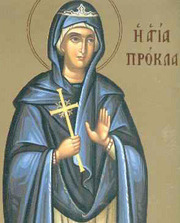
Daca, dupa cum sustin unele documente, Pilat, pierzand încrederea în mila iertatoare a lui Dumnezeu, s-ar fi sinucis, cum a facut si Iuda, sotia sa a murit ca o crestina si chiar a suferit mult, fiind prigonita pentru credinta ei în Hristos. Grecii o numara printre sfintii lor, serbându-i amintirea pe 24 decembrie.

Originalul acestei scrisori se afla în bibliotecile Vaticanului de unde, pe la 1643, a fost copiata si trimisa episcopului Dionisie al Constantinopolului, care a publicat-o. A fost apoi publicata în Bulgaria, în 1875.

––––––––––––––––––––––––––––––-

Moartea lui Pilat

„Un înselator a adunat pe muntele Gazirim o multime, pentru a le arata vasele ascunse de însusi Moise. Pilat, auzind de aceasta adunare, care se presupunea ca este contra romanilor, folosi aceasta ocazie pentru a se razbuna pe acei pe care îi ura de mainainte din cauza faradelegilor lor. El îi inconjura cu cavalerii sai, ordonând ca sa omoare pe capii lor, iar multimea sa o împrastie cu lancile, lovind apoi pe ori care îl va ajunge.

Samaritenii, concetatenii celor omoriti, s-au plins inpotriva lui la guvernatorul Siriei, Vitelia, fratele Cezarului cu acelasi nume, fiindca cei din Iudeea apartineau de acea autoritate superioara. Pilat a fost gasit vinovat de Vitelia. El a dat porunca, ca Pilat sa plece la Roma, spre a se infatisa Cezarului Tiberiu. Acesta avea, de asemenea, ceva nemultumiri din cauza plângerii facute de Maria Magdalena, pentru procedeul nedrept de condamnare a lui Iisus. Pilat nu s-a putut îndreptati în fata lui Tiberiu Cezar, din care cauza a fost internat în Galia, în anul 37 dupa Hristos. De acolo, l-a înaintat la Viena, unde s-a sinucis din cauza umilirii si mustrarii de cuget.”

Pasaj extras din „Istoria lui Nichifor Kalist”, volumul 2, capitolul 10.

www.religie.go.ro/apocrife/scris_sotie.htm

[:]