[:en]

Our Father Pious Daniil the Hermit was one of the greatest saints whom it grew Moldovan land, sea and teacher of wilderness adviser monks.

This saint of our nation was born into a family of poor people on the estate of the monastery of Saint Nicholas in Radauti, the century XV, receiving the baptismal name of Dumitru. Chosen by God from the womb of his mother for the angelic life of hermits, he proved bearer of Christ from childhood. That never missing from the church, nor play like other children, nor seek rest and food; but always pray, and obey the parents in all things.

When he was ten years old, he is given the book to learn the monastery of Saint Nicholas in Radauti, Dumitru child, though young age, proved old understanding. For the short time he learned Horologion and Psalter by heart and the spiritual asceticism, that is the secret of the heart prayer, fasting, humility and keeping the mind of evil thoughts. For this venerable monks greatly loved and were using his gentleness and skill, for he was always overshadowed by the Holy Ghost.

After five years of apprenticeship, the young soldier of Christ was made a monk in the monastery, receiving the name of the great prophet and king David. And was obedient in all things Sts, with the teacher and the more ascetic spiritual father and God the Holy Hierarch Leontie bearer of Radauti.

This young monk David was very zealous in ascetic monastic life. Most loved silence, fasting and prayer. Daily does not taste anything until sunset, and sometimes fasted perfect three and even five days and fed only vegetables and herbs. In obedience he was quiet, gentle and all subjected, and lingered at the church day and night like a lamp always unquenchable. Chile still slept little on a small stool, always watching and meditating on the divine. And most loved books of the Psalter, which he knew by heart and repeat daily.

So is striving few years, St. David vessel was made of the Holy Spirit, worthy of the gift of the priesthood and of miracle. Many sick heard of miracles that were done by his prayers were running at lowly ieromonah David and healed their sufferings. Others came to ask her advice, he was very wise in word and forward-thinking, while others came to confess their sins, for he had proclaimed pious confessor in the north of Moldova.

Seeing the monk David that is surrounded by the world and no longer quiet prayer, fearing the spirit of vainglory, he took the blessing of the Bishop of Radauti and withdrew to the monastery of St. Lawrence (Lawrence). But there they were looking for believers and sick by evil spirits. St. David was the day of listening and stood among the people, and the night watch, pray and wove baskets for the community. So kill his pious mind temptations of youth and vainglory.

Once he has sent Abbot with some listening in Siret. There, believers surrounding him, lingered pious one day, while unable to return to the monastery. Then the abbot gave him canon let out a time of lavra. So humbled monk David, has fulfilled the canon joy, giving glory to God for all.

Passing several years and St. David increasing much in spiritual pursuit, he felt called by the Holy Spirit in the life pustnicească. His soul was wounded by the love of Christ and wanted to glorify continually angels and hermitages in the forests of the Carpathians.

So, receiving the blessing of the abbot of the monastery of Saint Lawrence, the first big dressing and îngerescul schivniciei face of changing its name from David Daniel. Then, concealing it from the world, shortly before 1450, he withdrew himself in deep forests in the valley Secu Neamt County, where he later founded the monastery Hermitage. Here he was forced fourteen years in harsh monastic labors. But, seeing themselves surrounded by the world, it withdrew in northern Moldova hermitage near Putna.

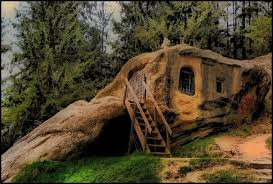
Guided by God, Daniil has done here first wooden hut on valley cattle. Then, finding a large rock nearby, and dug a small chisel in the wall rock as can fit. Together and dug another room as a prayer chapel, seen until today. In this rock was forced Daniil the pleasure of God more than twenty years.

Ascetic life of our Father Daniil the Hermit in his cell at Putna was this: Day and night watch in unceasing prayer and reflection on the divine fasting until sunset and sleeping very little on a small wooden stool. Not out of his cell all week. His eating bread was made of sticks, roots and herbs, and the work of his hands was wicker basket weaving. Sunday Mass was doing and shared the Body and Blood of Christ, then receive those who come to him for healing diseases and word use. The posts are suppressed three and sometimes five days and have the gift of prayer and tears.

For the holiness of his life, for long fasting and vigils those all night with prayers and tears, Daniil the Hermit has long been tempted by the devil, trying to chase him in the wilderness or to throw it into the sin of the terrible glorious vain. But he, asking the help of Christ and the power of the Holy Cross prevailed all races devil. Therefore, in a little while it was worthy of God the gift of tears, of more than clairvoyance and healing diseases. For drove out evil spirits from people only in word and heals all kinds of patients. Then he knew the thoughts of many hidden secrets and said the future because it was full of the Holy Ghost.

Some gifts for them, Blessed be the name had become known throughout the country of Moldova, and the people, from small to large, I counted the youth in the company of saints. Most call him St. Daniil the Hermit Elder, for he was father and adviser of all hermits in northern Moldova. Others, especially the monks, they called St. Daniil monk. And after moving to the flesh, he was popularly called the New St. Daniil, to distinguish it from other pious same name.

In 1451 Mr. happening speedy death of the country, Bogdan Prince, his son, Stephen, barely escaped the danger. But hearing of asceticism and miracles of St. Daniel the Hermit and being tough strait, was guided by the Holy Spirit to his cell. Here, stopped a few days, he testified before Pious minds and received absolution from his sins and many words of comfort. Then, soothing her soul, the great hermit blessed him and prayed for him was, and I prophesied that soon will be ruler of Moldavia and liberated him in peace.

In spring 1457, Stefan cel Mare, reaching the throne of Moldavia, was entrusted with the fulfillment of the prophecy of St. Daniel the Hermit and the gift of God that was in Him. Since that year, Reverend gentleman I was great at first counselor, confessor and pray to God. Often prince stopped in his cell and confessed his sins, then demanded word helpful and nothing was through prayer and blessings. Pious and encourage him and urging him to defend the country and Christendom heathens hands, trusting that it will build after each battle by a church praise of Christ in all wars will prevail.

Thus, listening to Stephen the Great defended with great bravery Church of Christ and Moldova country after the fall of Byzantium, almost half a century, earning forty-seven wars and lifting forty-eight churches. Thus, St. Daniel the Hermit proved a great defender of Orthodoxy Romanian and spiritual founder of monasteries erected at his instigation.

Once stopped Pious Prince of Moldavia in his cell, he was invited to build the great hermit in his cell near a monastery, in remembrance of the Assumption, which was the great piety. So listening to Stephen Prince and choosing the place together with his blessing was started in 1466 building of the monastery Putna. And in 1470, when sanctified this divine place, St. Daniil took part himself being praised by all as a second founder.

It also said that about him, wanting to entrust Stefan Voda Monastery, often asked him to be abbot and spiritual father of Putnei. But Ven, considering himself unworthy of this honor and peace loving more, stayed on in his little cell of the cave.

For the holiness of his life, Daniil the Hermit proved youthful bearing Christ and great teacher of peace and prayer of Jesus. During his life he was not in Moldova another hermit and confessor most famous, no other worker and teacher of prayer skilful than him. Therefore, all abbots and confessors in northern Moldova, as the country’s rulers of advice they had the spiritual father.

Following the example of his life, many monks quietly lovers of chinovii retreated into the wilderness with the blessing of Daniil and became hermits and workers increase prayer of Jesus. Thus, this great ascetic of Moldova, the monasteries and villages have many spiritual sons and mountains and forests have over a hundred disciples hermits, who needs pleasure of God, his advice.

Indeed, St. Daniel the Hermit created in Moldova north hesychastic a great movement, almost without equal, thus renewing for a long time in monasteries and spiritual life and raising a whole generation of hermits and the praying of the nation.

After 1470, seeing Pious that Putna no longer quiet due to the monastery and the crowd of the faithful who came here left the cell where it is needed more than twenty years and withdrew secretly in the primeval forests around Voronet Monastery. Here they need to fifty monks under the hand Hieroschemamonk Mishael, worthy disciple of St. Daniel. So, finding a secluded spot near the monastery and made a small cell under the rock called Falcon and here is the perfect venerable bothered quiet and pleasure of God.

But not long and soon he passed his name was made known in all the villages of the place, that came to him all kinds of sick, paralyzed, and people possessed by evil spirits were healed. Believers can not reach his cell, waiting down the monastery. Pious and down night, prayed for them, saying they cause suffering, he advised, blessed and sent them to their homes healthy.

In the summer of 1476, Stephen the Great, Războieni losing the battle of the Turks, was taken to the cell of St. Daniil the Hermit, his good spiritual father Voroneţ. So „beating Stefan Voda door hermit to unlock replied the hermit wait Stefan Voda out until you finish praying. When he finished his hermit prayed, they called him in his cell on Stefan Voda. And his confession Stephen Voda from him. and he asked Stefan Voda the hermit what to do, he can not be beating the Turks. worship the country from the Turks or not? and the hermit said not to worship, that the war of others; only that after you deliver, to a monastery there in the name of St. George „.

So, believing the prince of Moldavia in the prophecy of St. Daniil that overcomes the Turks and taking from him prayer and blessing, soon gathered an army and drive out the Turks in the country. That helps Blessed with fervent prayers to God to deliver them from the bondage Christian countries Moldova and pagans.

Răposând Metropolitan Teoctist, in autumn 1477, Stefan cel Mare was advised clergy and bishops of the country to elect Moldova shepherd and father of St. Daniel the Hermit Voroneţ. But Ven heard of it, it was God and prayed with tears not to alienate Prince to death by his happy tranquility. So conquering the humility and holiness of all, they apologized and left him in the desert glorify God unceasingly.

For twenty years he Hermit Voroneţ, Daniil created is another new fireplace hesychastic, as important as that of Putna. For in a little while gathered around him dozens of hermits, ascetics than some others in May that they wearied Voroneţului be in the woods or in the mountains Rarăului either along the Eastern Carpathians. Most practicing Jesus prayer, fasting and silence. Others read daily psalter, others were thousands rope and wove baskets and others, being kind calligraphers writing service books for the churches and monasteries. Most Pious Daniil the Hermit chosen disciples were: Metropolitan Grigore Rosca, calligrapher monk John and abbots Mishael and Ephraim, all of Voronet; Pachomius then pious hermit and abbot of the monastery Slatina Nile; Paisie Abbot, Hermit Palladius and Anastasius Hermit Neamt Monastery, the Monastery of Moldova Isaiah hermit, abbot Gherontie of Humor and many others.

Remembering Stephen the Great promise to God and St. Daniel the Hermit, in the summer of 1488 built the foundation to Voronet, a beautiful stone church dedicated to Saint Great Martyr George the Trophy-bearer, instead of the old church wood. On 14 September the same year the church was consecrated by Bishop George, in the presence of her blessed founders, Stephen and Prince Daniil the Hermit and tens of thousands of believers, monks, clerics and rulers of the country. In this day, with the advice of the congregation, St. Daniil, although old, was appointed abbot of the Monastery Voronet.

For almost ten years the congregation of St. Daniil Monastery guided Voroneţ as a great spiritual father of the monks, the hermits and all Moldova. For although spending more to his cell under the Falcon rock, very loving silence often descended into communal confessed council, healed the sick who flocked to the villages and he advised them all. Then again he retreated to his cell.

During his abbots, Voronet lived most flourishing period in its history spiritual being considered long Lavra hesychasm of Moldova. All monks of the community, which numbered over sixty ascetics, praying in Jesus. Some were famous for faithful pastors and confessors, some were teachers taught in school and tireless monastery calligraphers, and most were monks praying that glorified God and prayed unceasingly for everyone. Voroneţ learned ascetic spiritual book and have learned many parish priests, abbots, bishops, monks, hermits and governors of the country. And Voroneţului secular forests in the mountains, they Rarăului and Stânişoarei are need for love of Christ over fifty other hermits, disciples of St. Daniel. All these he led them on his monitor and track the kingdom of heaven, the great abbot and adviser souls „Our Father Pious Daniil the Old Hermit”.

Arriving chosen vessel of the Holy Spirit, full of all sorts of goodies and passing the age of ninety, St. Daniel, the great hermit of Moldova, teacher wilderness and miracle worker, and gave his soul into the arms of Christ the end of the century XV (1496). The crowd’s disciples, together with the Metropolitan and ruler of the country have complained enough and was buried in the church narthex Voroneţ seen until today, with over a stone with the inscription: „This is the tomb of our father David, monk Daniil”. Then, dividing believers alms and kissing his holy relics, he returned each to his own.
After committing to seeing the disciples and believers that there are some miracles and cures of diseases relics of Pious, it passed in the company of saints, calling it „the Holy Abbot Daniel”, „St. Daniil the Hermit” or especially „Too Blessed beseeching God our Father Daniil the New „.

Voroneţ monastery community, together with the Metropolitan Grigore Rosca, his disciple, gave this lavras after the patron St. George, second dedication in honor of St. Daniil the New, making mention of him among the blessed founders. At the same time they appointed feast day of the year, namely remembrance of St. Daniel the Stylite. Thus, Moldova, commemorating Reverend Daniil the Hermit was done for centuries on end, on 23 April, patron Voroneţ Monastery, and on 18 December, after St. Daniel the Stylite 11 December.

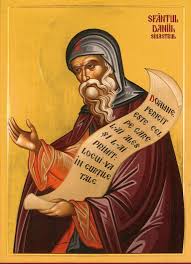
As a saint with a halo was painted for the first time in 1547 the same metropolitan, on the south wall of the monastery church Voroneţ left of the door entrance porch, seen until today, taking in his hand a scroll opened that says Come, brothers, to listen. I will teach you the fear of the Lord. Who is the man …

The zeal of the faithful urged the monks at the Monastery Voroneţ at the beginning of the eighteenth century, to remove the tomb of St. miraculous relics of Daniil the Hermit and place them in church, beautifully decorated coffin for worship. Metropolitan Dosoftei himself on them kissed them, as he himself says in the Saints, written and printed by him from Iasi in the years 1682-1686. The news had come to Kiev’s wonderland, Poland, Transylvania and the Holy Mountain, where believers came to worship and all called him „St. Daniil the New, the miracle worker.”

In 1749, Abbot of the Monastery Voroneţ, namely Gideon gave Putna Monastery of St. Daniel’s thumb overlaid in silver, where it remains until today. The relics bearing the inscription: „These relics I locked myself, Gideon abbot Voroneţ with all my expense, in 1749, December 4th.” In 1775, Northern Moldavia reaching occupation of Austria, the relics of St. Daniel the Hermit were placed back in his grave, where it remains until today. In the year of salvation 1992 on 21-22 June, the Holy Synod of the Romanian Orthodox Church canonized solemnly, in Romania several saints, including St. Daniel the Hermit Preacuviosul Our father ordained him feast day of the year at December 18.

With his holy prayers, Lord Jesus Christ, Son of God, have mercy on us and save us all, as one good and loving people. Amen.

doxologia.ro

[:ro]

  Cuviosul Părintele nostru Daniil Sihastrul a fost unul din cei mai mari sfinţi pe care i-a odrăslit pământul Moldovei, mare dascăl al pustiei şi povăţuitor al călugărilor.

    Acest sfânt al neamului nostru s-a născut într-o familie de oameni săraci de pe moşia mănăstirii Sfântul Nicolae din Rădăuţi, la începutul secolului al XV-lea, primind din botez numele de Dumitru. Fiind ales de Dumnezeu din sânul maicii sale pentru viaţa cea îngerească a pustnicilor, s-a dovedit din pruncie purtător de Hristos. Că niciodată nu lipsea de la biserică, nici nu se juca asemenea cu ceilalţi copii, nici nu căuta odihnă şi mâncare; ci mereu se ruga, şi întru toate ascultă de părinţi.

    Când avea vârsta de zece ani, fiind dat să înveţe carte în mănăstirea Sfântul Nicolae din Rădăuţi, copilul Dumitru, deşi tânăr cu vârsta, s-a dovedit bătrân cu înţelegerea. Căci în puţină vreme a deprins Ceaslovul şi Psaltirea pe de rost, precum şi nevoinţa cea duhovnicească, adică rugăciunea cea de taină a inimii, postul, smerenia şi păzirea minţii de gânduri rele. Pentru aceasta cuvioşii călugări foarte mult îl iubeau şi se foloseau de blândeţea şi priceperea lui, căci era întotdeauna umbrit de darul Duhului Sfânt.

    După cinci ani de ucenicie, tânărul ostaş al lui Hristos s-a făcut călugăr în această mânăstire, primind numele marelui prooroc şi împărat David. Şi era întru toate ascultător cuvioşilor părinţi, având ca dascăl şi părinte duhovnicesc pe mult nevoitorul şi purtătorul de Dumnezeu Sfântul Ierarh Leontie de Rădăuţi.

    Acest tânăr monah David era foarte râvnitor în nevoinţa vieţii călugăreşti. Cel mai mult iubea liniştea, postul şi rugăciunea. Zilnic nu gusta nimic până la asfinţitul soarelui, iar uneori postea desăvârşit câte trei şi chiar cinci zile şi se hrănea numai cu legume şi ierburi. În ascultare era tăcut, blând şi tuturor supus, iar la biserică zăbovea ziua şi noaptea ca o candelă mereu nestinsă. Încă şi la chilie dormea puţin pe un mic scăunel, mereu veghind şi cugetând la cele dumnezeieşti. Iar dintre cărţi cel mai mult iubea Psaltirea, pe care o ştia pe de rost şi o repeta zilnic.

    Aşa nevoindu-se câţiva ani de zile, Cuviosul David s-a făcut vas al Sfântului Duh, învrednicindu-se de darul preoţiei şi al facerii de minuni. Mulţi bolnavi, auzind de minunile ce se făceau prin rugăciunile lui, alergau la smeritul ieromonah David şi se vindecau de suferinţele lor. Alţii veneau să-i ceară sfat, că era foarte înţelept în cuvânt şi înainte-văzător, iar alţii veneau să-şi mărturisească păcatele, căci ajunsese cuviosul vestit duhovnic în părţile de nord ale Moldovei.

    Văzând ieromonahul David că este înconjurat de lume şi nu mai are linişte de rugăciune, temându-se de duhul slavei deşarte, a luat binecuvântare de la episcopul de Rădăuţi şi s-a retras la mănăstirea Sfântul Lavrentie (Laurenţiu). Dar şi acolo îl căutau credincioşii, precum şi cei bolnavi de duhuri necurate. Cuviosul David însă ziua făcea ascultare şi stătea între oameni, iar noaptea priveghea, se ruga şi împletea coşuri de nuiele pentru obşte. Aşa îşi omora cuviosul ispitele tinereţii şi cugetul slavei deşarte.

    Odată l-a trimis egumenul cu oarecare ascultare în oraşul Şiret. Acolo, înconjurându-l credincioşii, a zăbovit cuviosul o zi, neputând a se întoarce la timp în mănăstire. Atunci egumenul i-a dat canon să nu mai iasă o vreme din lavră. Deci, smerindu-se ieromonahul David, şi-a împlinit cu bucurie canonul, dând slavă lui Dumnezeu pentru toate.

    Trecând câţiva ani şi Cuviosul David sporind mult în nevoinţa duhovnicească, se simţea chemat de Duhul Sfânt la viaţa pustnicească. Sufletul său era rănit de dragostea lui Hristos şi dorea să-L slăvească neîncetat cu îngerii şi cu sihaştrii din codrii Carpaţilor.

    Deci, primind binecuvântare de la egumenul mănăstirii Sfântul Lavrentie, a îmbrăcat mai întâi marele şi îngerescul chip al schivniciei, schimbându-şi numele din David în Daniil. Apoi, tăinuindu-se de lume, cu puţin înainte de anul 1450, s-a retras singur în adâncul codrilor pe valea pârâului Secu din judeţul Neamţ, unde mai târziu a luat fiinţă mânăstirea Sihăstria. Aici s-a nevoit paisprezece ani în aspre osteneli călugăreşti. Dar, văzându-se înconjurat de lume, s-a retras în nordul Moldovei, aproape de sihăstria Putna.

    Călăuzit de Dumnezeu, Cuviosul Daniil şi-a făcut aici mai întâi o colibă de lemn pe valea pârâului Viţeul. Apoi, aflând o stâncă mare în apropiere, şi-a săpat cu dalta o mică chilioară în peretele stâncii, cât să poată încăpea. Alături şi-a săpat o altă încăpere, drept paraclis de rugăciune, cum se vede până astăzi. În această stâncă s-a nevoit Cuviosul Daniil în plăcere de Dumnezeu mai mult de douăzeci de ani.

    Nevoinţa Preacuviosului Părintelui nostru Daniil Sihastru în chilia de la Putna era aceasta: Ziua şi noaptea priveghea în neîncetată rugăciune şi cugetare la cele dumnezeieşti, postind până la asfinţitul soarelui şi dormind foarte puţin pe un mic scaun de lemn. Din chilie nu ieşea deloc toată săptămâna. Mâncarea lui era formată din pesmeţi de pâine, rădăcini şi ierburi, iar lucrul mâinilor sale era împletirea coşurilor de nuiele. Duminica săvârşea Sfânta Liturghie şi se împărtăşea cu Trupul şi Sângele lui Hristos, apoi primea pe cei ce veneau la el pentru vindecare de boli şi pentru cuvânt de folos. În posturi se înfrână câte trei şi uneori cinci zile şi avea darul rugăciunii şi al lacrimilor.

    Pentru sfinţenia vieţii sale, pentru postul îndelungat şi pentru privegherile cele de toată noaptea cu rugăciuni şi cu lacrimi, Cuviosul Daniil Sihastrul a fost multă vreme ispitit de diavoli, căutând să-l alunge din pustie sau să-l arunce în păcatul cel cumplit al slavei deşarte. Dar el, cerând ajutorul lui Hristos şi cu puterea Sfintei Cruci, biruia toate cursele diavolului. Pentru aceea, în puţină vreme s-a învrednicit de la Dumnezeu de darul lacrimilor, al mai înainte-vederii şi al vindecării de boli. Căci izgonea duhurile necurate din oameni numai cu cuvântul şi vindecă tot felul de bolnavi. Apoi cunoştea cugetele cele ascunse şi spunea multora tainele cele viitoare, căci era plin de darul Duhului Sfânt.

    Pentru nişte daruri ca acestea, numele Cuviosului se făcuse cunoscut în toată ţara Moldovei, iar poporul, de la mic până la mare, l-a numărat din tinereţe în ceata sfinţilor. Cei mai mulţi îl numeau Sfântul Daniil, Sihastrul cel Bătrân, căci era părinte şi povăţuitor al tuturor sihaştrilor din nordul Moldovei. Alţii, îndeosebi călugării, îl numeau Sfântul Daniil Schimonahul. Iar după mutarea sa din trup, era numit în popor Sfântul Daniil cel Nou, ca să-l deosebească de alţi cuvioşi cu acelaşi nume.

    În anul 1451, întâmplându-se grabnică moarte domnului ţării, Bogdan Voievod, fiul său, Ştefan, cu greu a scăpat de primejdie. Dar, auzind de nevoinţa şi minunile Sfântului Daniil Sihastrul şi fiind în grea strâmtoare, a fost călăuzit de Duhul Sfânt la chilia lui. Aici, poposind câteva zile, şi-a mărturisit cugetele înaintea Cuviosului şi a primit de la el dezlegare de păcate şi multe cuvinte de mângâiere. Apoi, liniştindu-i sufletul, marele sihastru l-a binecuvântat şi s-a rugat pentru dânsul, apoi i-a proorocit că în curînd va fi domn al Moldovei şi l-a liberat cu pace.

    În primăvara anului 1457, Ştefan cel Mare, ajungând pe scaunul Moldovei, s-a încredinţat de împlinirea proorociei Sfântului Daniil Sihastrul şi de darul lui Dumnezeu care era întru dânsul. Din anul acela, Cuviosul i-a fost marelui domn cel dintâi sfetnic, duhovnic şi rugător către Dumnezeu. Adeseori voievodul poposea la chilia lui şi îşi mărturisea păcatele, apoi cerea cuvânt de folos şi nimic nu făcea fără rugăciunea şi binecuvântarea lui. Iar Cuviosul îl îmbărbăta şi îl îndemna să apere ţara şi creştinătatea de mâinile păgînilor, încredinţându-l că de va zidi după fiecare luptă câte o biserică spre lauda lui Hristos, în toate războaiele va birui.

    Astfel, ascultându-l, Ştefan cel Mare a apărat cu multă vitejie Biserica lui Hristos şi ţara Moldovei după căderea Bizanţului, aproape o jumătate de secol, câştigând patruzeci şi şapte de războaie şi înălţând patruzeci şi opt de biserici. În felul acesta, Sfântul Daniil Sihastrul s-a dovedit un mare apărător al Ortodoxiei româneşti şi ctitor duhovnicesc al mănăstirilor înălţate la îndemnul său.

    Odată, poposind domnul Moldovei în chilia Cuviosului, a fost îndemnat de marele sihastru să zidească în apropiere de chilia sa o mănăstire de călugări, întru pomenirea Adormirii Maicii Domnului, către care avea mare evlavie. Deci, ascultându-l Ştefan Voievod şi împreună alegând locul, cu binecuvântarea lui s-a început în anul 1466 zidirea Mănăstirii Putna. Iar în anul 1470, când s-a sfinţit acest dumnezeiesc locaş, însuşi Sfântul Daniil a luat parte, fiind cinstit de toţi ca un al doilea ctitor.

    Se mai spunea despre dânsul că, voind Ştefan Vodă să-i încredinţeze mănăstirea, de multe ori l-a rugat să fie egumen şi părinte duhovnicesc al Putnei. Dar Cuviosul, socotindu-se nevrednic de o cinste ca aceasta şi iubind mai mult liniştea, a rămas mai departe la mica lui chilie din peşteră.

    Pentru sfinţenia vieţii sale, Cuviosul Daniil Sihastrul s-a dovedit din tinereţe purtător de Hristos şi mare dascăl al liniştii şi rugăciunii lui Iisus. În timpul vieţii sale nu era în Moldova alt sihastru şi duhovnic mai vestit, nici alt lucrător şi dascăl al rugăciunii mai iscusit decât el. De aceea, toţi egumenii şi duhovnicii din nordul Moldovei, ca şi dregătorii din sfatul ţării îl aveau de părinte duhovnicesc.

    Urmând exemplul vieţii sale, numeroşi călugări iubitori de linişte din chinovii se retrăgeau în pustie cu binecuvântarea Cuviosului Daniil şi deveneau sihaştri şi lucrători sporiţi ai rugăciunii lui Iisus. Astfel, acest mare ascet al Moldovei, avea prin mănăstiri şi sate numeroşi fii duhovniceşti, iar prin munţi şi prin codri avea peste o sută de ucenici sihaştri, care se nevoiau în plăcere de Dumnezeu, după sfatul său.

    Într-adevăr, Sfântul Daniil Sihastrul a creat în Moldova de nord o mare mişcare isihastă, aproape fără egal, înnoind astfel pentru multă vreme viaţa duhovnicească în mănăstiri şi schituri şi ridicând o întreagă generaţie de sihaştri şi rugători ai neamului.

    După anul 1470, văzând Cuviosul că la Putna nu mai are linişte din cauza mănăstirii şi a mulţimii credincioşilor ce veneau aici, a părăsit chilia în care se nevoise peste douăzeci de ani şi s-a retras în taină în pădurile seculare din jurul Mănăstirii Voroneţ. Aici se nevoiau ca la cincizeci de călugări sub povăţuirea ieroschimonahului Misail, vrednic ucenic al Sfântului Daniil. Deci, aflând un loc retras în preajma mănăstirii, şi-a făcut o mică chilie sub stâncă numită Şoimul şi aici se ostenea Cuviosul în desăvârşita linişte şi plăcere de Dumnezeu.


   Însă n-a trecut multă vreme şi îndată numele lui s-a făcut cunoscut în toate satele din partea locului, încât veneau la el tot felul de bolnavi, paralizaţi, oameni stăpâniţi de duhuri necurate şi se vindecau. Credincioşii, neputând ajunge la chilia lui, aşteptau jos în mănăstire. Iar Cuviosul cobora noaptea, se rugă pentru ei, le spunea pricina suferinţei, îi sfătuia, îi binecuvânta şi îi trimitea sănătoşi la casele lor.

    În vara anului 1476, Ştefan cel Mare, pierzând lupta de la Războieni în faţa turcilor, s-a dus la chilia Sfântului Daniil Sihastrul, bunul său părinte duhovnicesc de la Voroneţ. Deci „bătând Ştefan Vodă în uşa sihastrului să-i descuie, a răspuns sihastrul să aştepte Ştefan Vodă afară până va termina ruga. Şi după ce şi-a terminat sihastrul ruga, l-au chemat în chilie pe Ştefan Vodă. Şi s-a spovedit Ştefan Vodă la dânsul. Şi a întrebat Ştefan Vodă pe sihastru ce să facă, că nu poate să se mai bată cu turcii. Închina-vă ţara la turci sau nu? Iar sihastrul a zis să nu o închine, că războiul este al lui; numai că, după ce va izbăvi, să facă o mănăstire acolo, în numele Sfântului Gheorghe”.

    Deci, crezând domnul Moldovei în proorocia Sfântului Daniil că va birui pe turci şi luând de la el rugăciune şi binecuvântare, îndată a adunat oaste şi a izgonit pe turci din ţară. Aşa ajută Cuviosul cu rugăciuni fierbinţi către Dumnezeu să se izbăvească Moldova şi ţările creştine de robia păgânilor.

    Răposând mitropolitul Teoctist, în toamna anului 1477, Ştefan cel Mare s-a sfătuit cu clerul şi episcopii ţării să aleagă păstor şi părinte al Moldovei pe Sfântul Daniil Sihastrul de la Voroneţ. Dar Cuviosul auzind de aceasta, s-a rugat cu lacrimi lui Dumnezeu şi voievodului să nu-l înstrăineze până la moarte de fericită lui linişte. Deci, cucerindu-se toţi de smerenia şi sfinţenia lui, şi-au cerut iertare şi l-au lăsat în pustie să slăvească neîncetat pe Dumnezeu.

    Timp de douăzeci de ani cât a sihăstrit la Voroneţ, Cuviosul Daniil a creat aici o nouă vatră isihastă, tot atât de importantă ca cea de la Putna. Căci în puţină vreme s-au adunat în jurul său zeci de sihaştri, unii mai nevoitori decât alţii, care se osteneau fie în codrii Voroneţului, fie în munţii Rarăului, fie de-a lungul Carpaţilor Răsăriteni. Cei mai mulţi practicau rugăciunea lui Iisus, postul şi tăcerea. Alţii citeau zilnic psaltirea, alţii făceau mii de metanii şi împleteau coşuri, iar alţii, fiind buni caligrafi, scriau cărţi de slujbă pentru biserici şi mănăstiri. Cei mai aleşi ucenici ai Cuviosului Daniil Sihastrul au fost: mitropolitul Grigore Roşca, monahul caligraf Ioan, precum şi egumenii Misail şi Efrem, toţi din Mănăstirea Voroneţ; apoi cuviosul Pahomie Sihastrul şi egumenul Nil din Mănăstirea Slatina; egumenul Paisie, Paladie Sihastrul şi Anastasie Sihastrul de la Mănăstirea Neamţ, Isaia Pustnicul de la Mănăstirea Moldoviţa, egumenul Gherontie de la Humor şi mulţi alţii.

    Aducându-şi aminte Ştefan cel Mare de făgăduinţa dată lui Dumnezeu şi Sfântului Daniil Sihastrul, în vara anului 1488 a zidit din temelie, la Mănăstirea Voroneţ, o frumoasă biserică din piatră închinată Sfântului Mare Mucenic Gheorghe, purtătorul de biruinţă, în locul vechii biserici de lemn. La 14 septembrie, în acelaşi an, biserica a fost sfinţită de mitropolitul Gheorghe, în prezenţa fericiţilor ei ctitori, Ştefan Voievod şi Cuviosul Daniil Sihastrul şi a zeci de mii de credincioşi, călugări, clerici şi dregători de ţară. În acestă zi, cu sfat de obşte, Sfântul Daniil, deşi bătrân, a fost numit egumen al Mănăstirii Voroneţ.

    Timp de aproape zece ani Sfântul Daniil a povăţuit obştea Mănăstirii Voroneţ, ca un mare părinte duhovnicesc al călugărilor, al sihaştrilor şi al întregii Moldove. Căci deşi petrecea mai mult la chilia sa de sub stâncă Şoimului, fiind foarte iubitor de linişte, adeseori cobora în obşte, mărturisea soborul, tămăduia pe cei bolnavi ce se adunau de prin sate şi îi sfătuia pe toţi. Apoi iarăşi se retrăgea la chilia sa.

    În timpul egumeniei sale, Mănăstirea Voroneţ a trăit cea mai înfloritoare perioadă duhovnicească din istoria sa, fiind socotită multă vreme lavra isihasmului din Moldova. Toţi monahii din obşte, care număra peste şaizeci de nevoitori, practicau rugăciunea lui Iisus. Unii erau vestiţi păstori şi duhovnici pentru credincioşi, alţii erau dascăli învăţaţi în şcoala mănăstirii şi neobosiţi caligrafi, iar cei mai mulţi erau călugări de rugăciune, care slăveau pe Dumnezeu neîncetat şi se rugau pentru toată lumea. La Voroneţ au învăţat carte şi au deprins nevoinţa duhovnicească numeroşi preoţi de parohie, egumeni, episcopi, monahi, sihaştri şi dregători de ţară. Iar în codrii seculari din munţii Voroneţului, ai Rarăului şi Stânişoarei, se nevoiau pentru dragostea lui Hristos alţi peste cincizeci de sihaştri, ucenici ai Sfântului Daniil. Pe toţi aceştia îi supraveghea şi îi povăţuia pe calea cea bună a împărăţiei cerurilor, marele egumen şi povăţuitor de suflete „Cuviosul Părintele nostru Daniil Sihastrul cel Bătrân”.

    Ajungând vas ales al Duhului Sfânt, plin de tot felul de bunătăţi şi trecând de vârstă de nouăzeci de ani, Sfântul Daniil, marele sihastru al Moldovei, dascălul pustiei şi făcătorul de minuni, şi-a dat sufletul în braţele lui Hristos la sfârşitul secolului al XV-lea (1496). Mulţimea ucenicilor lui, împreună cu mitropolitul şi domnul ţării l-au plâns îndeajuns şi l-au îngropat în pronaosul bisericii Voroneţ, cum se vede până astăzi, punând deasupra o piatră cu inscripţia: „Acesta este mormântul părintelui nostru David, schimonahul Daniil”. Apoi, împărţind credincioşilor multe milostenii şi sărutând sfintele lui moaşte, s-a întors fiecare la ale sale.

    După săvârşirea sa, văzând ucenicii şi credincioşii că se fac oarecare minuni şi vindecări de boli la moaştele Cuviosului, l-au trecut în ceata sfinţilor, numindu-l „Sfântul Stareţ Daniil”, „Sfântul Daniil Sihastrul”, sau mai ales „Prea Cuviosul de Dumnezeu rugătorul Părintele nostru Daniil cel Nou”.

    Obştea Mănăstirii Voroneţ, împreună cu mitropolitul Grigore Roşca, ucenicul său, au dat acestei lavre, după hramul Sfântului Mare Mucenic Gheorghe, al doilea hram în cinstea Sfântului Daniil cel Nou, pomenindu-l în rândul fericiţilor ctitori. Totodată i-au rânduit zi de prăznuire peste an, anume după pomenirea Sfântului Daniil Stâlpnicul. Astfel, în Moldova, pomenirea cuviosului Daniil Sihastru s-a făcut, secole de-a rândul, la 23 aprilie, hramul Mănăstirii Voroneţ, şi la 18 decembrie, după Sfântul Daniil Stâlpnicul, 11 decembrie.

    Ca sfânt cu aureolă a fost pictat, pentru prima dată în 1547 de acelaşi mitropolit, pe peretele de sud al bisericii Mănăstirii Voroneţ, în stânga uşii de intrare în pridvor, cum se vede până astăzi, ţinând în mâna sa un sul desfăcut pe care scrie: Veniţi, fraţilor, de mă ascultaţi. Vă voi învăţa frica Domnului. Cine este omul …

    Râvna credincioşilor a îndemnat pe călugării de la Mănăstirea Voroneţ, la începutul secolului al XVII-lea, să scoată din mormânt moaştele făcătoare de minuni ale Sfântului Daniil Sihastrul şi să le aşeze în biserică, în sicriu frumos împodobit, pentru închinare. Pe acestea însuşi mitropolitul Dosoftei le-a sărutat, cum singur spune în Vieţile Sfinţilor, scrise şi tipărite de el la Iaşi în anii 1682-1686. Vestea minunilor lui ajunsese până la Kiev, în Polonia, în Transilvania şi la Sfântul Munte, de unde veneau credincioşi să i se închine şi toţi îl numeau „Sfântul Daniil cel Nou, făcătorul de minuni”.

    În anul 1749, egumenul Mănăstirii Voroneţ, anume Ghedeon, a dat Mănăstirii Putna degetul arătător al Sfântului Daniil ferecat în argint, unde se păstrează până astăzi. Moaştele poartă inscripţia: „Aceste relicve le-am ferecat eu, Ghedeon, egumen de la Voroneţ, cu toată cheltuiala mea, în anul 1749, decembrie 4”. În anul 1775, Moldova de nord ajungând sub ocupaţia Austriei, moaştele Sfântului Daniil Sihastrul au fost aşezate din nou în mormântul său, unde se păstrează până astăzi. În anul mântuirii 1992, la 21-22 iunie, Sfântul Sinod al Bisericii Ortodoxe Române a canonizat, în mod solemn, mai mulţi sfinţi din România, printre care şi pe Sfântul Preacuviosul Părintele nostru Daniil Sihastrul, rânduindu-i zi de prăznuire peste an la 18 decembrie.

    Cu ale lui sfinte rugăciuni, Doamne, Iisuse Hristoase, Fiul lui Dumnezeu, miluieşte-ne şi ne mântuieşte pe noi pe toţi, ca un singur bun şi iubitor de oameni. Amin.

doxologia.ro

[:]