
Sorry, this entry is only available in Română.
Continue reading (Română) Centenarul preotului-poet Alexe Mateevici, autorul poeziei ”Limba noastră” din imnul de Stat al Republicii Moldova
Sorry, this entry is only available in Română.
Continue reading (Română) Centenarul preotului-poet Alexe Mateevici, autorul poeziei ”Limba noastră” din imnul de Stat al Republicii Moldova
Sorry, this entry is only available in Română.
Continue reading (Română) Miracol și smerenie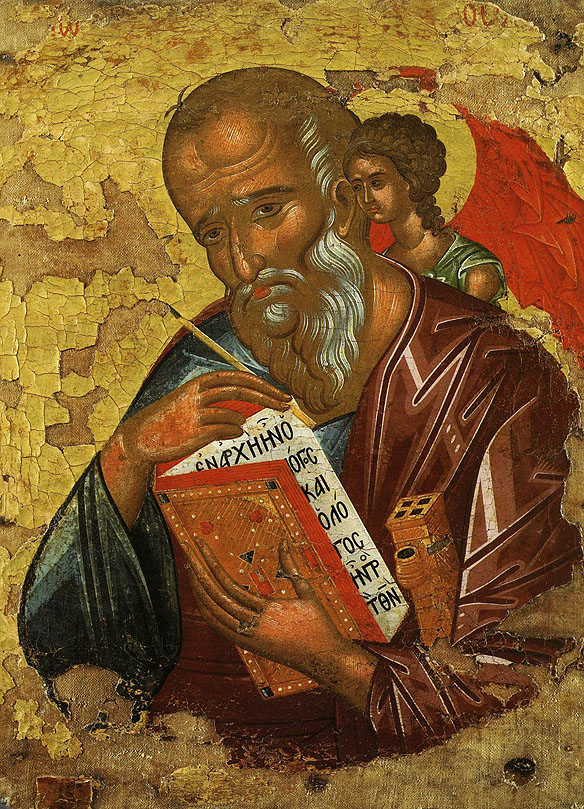
The Romanian Orthodox Church “St. John the Evangelist“ of Toronto appeals to all faithful who want to help buy a place of worship to donate through this project so that we can submit an offer on July 19, 2017 for the purchase of the 2 Nobert Rd building at Victoria Park and 401. May God …
Continue reading Fund raising campaign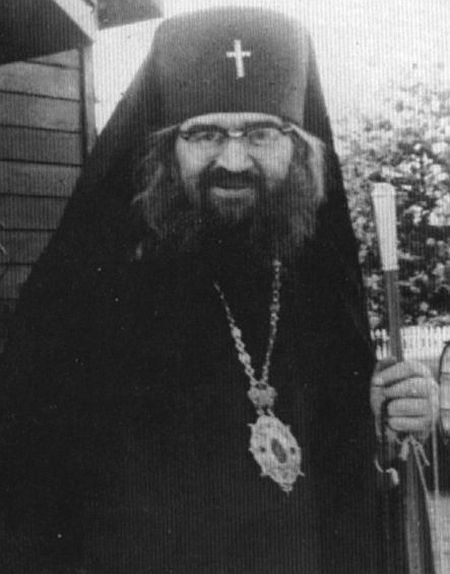
Sfantul Ioan Maximovici, episcop de Shanghai si de San Francisco, s-a nascut in data de 4 iunie 1896, in satul Adamovka, din regiunea Harkov, Rusia, si a trecut la cele vesnice in ziua de 2 iulie 1966, in orasul Seattle, dupa savarsirea Sfintei Liturghii. Sfantul Ioan Maximovici a fost canonizat in anul 1994, de Biserica …
Continue reading Saint John Maximovitch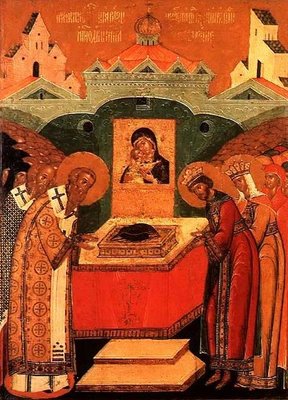
Biserica Ortodoxa, in ziua de 2 iulie, face pomenirea asezarii vesmantului Nascatoarei de Dumnezeu in Vlaherne. Sfantul Vesmant al Maicii Domnului (Esthitos in greaca) este diferit de Braul Maicii Domnului, a carui praznuire are loc pe 31 august. Din Sinaxar aflam ca vesmantul a fost adus la Constantinopol de catre doi frati, nobili, Galvie si …
Continue reading The Mother of God Vestment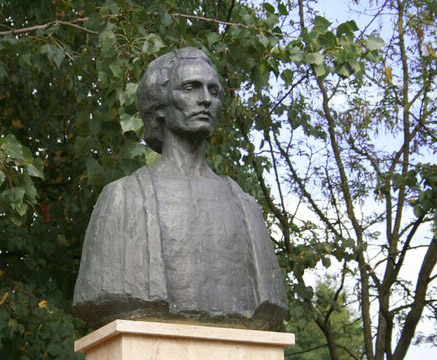
Sorry, this entry is only available in Română.
Continue reading (Română) Eminescu la Mănăstirea Agafton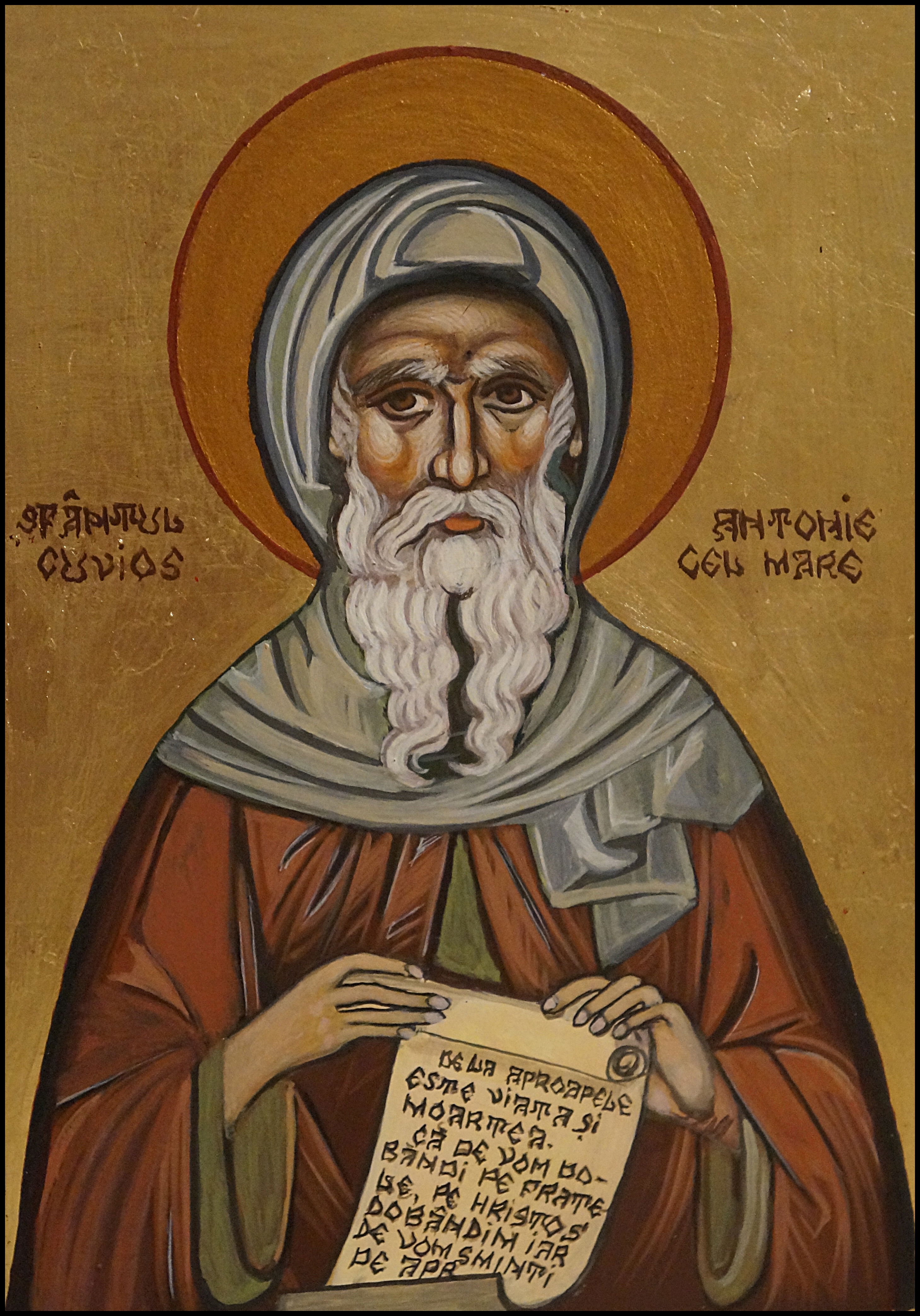
Christianity honors two great saints Antonie, an early one, of the Church of the East, and another closer to our times, of the Western Church, whose memory is still today. The article wishes to forestall the possible confusion of the two saints. It is, therefore, of St. Anthony the Great, the founder of monasticism and …
Continue reading St. Anthony of Padua, follower of St. Anthony the Great
The secret archives of the Vatican are undoubtedly at the top of the list of the most mysterious places in the world. There are some of the most important documents in Europe’s history, accessible only to a select group of people – the Pope himself does not have full access to the entire archive. Archives …
Continue reading Some documents from Vatican Archives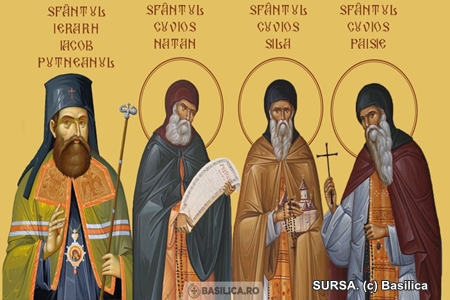
Sorry, this entry is only available in Română.
Continue reading (Română) Canonizarea a patru noi sfinți români – Mitropolitul Moldovei Iacob Putneanul și Cuvioșii Sila, Paisie și Natan
“The Apostle of Christ, the beloved of God, hurries to deliver the unrepentant people. That he receives you when you fall to Him, the One who received you when you rested on his comb; And the cloud of the pagans which he hath laid upon us to scatter him, asking us for new peace and …
Continue reading Saint John the Evangelist