Library

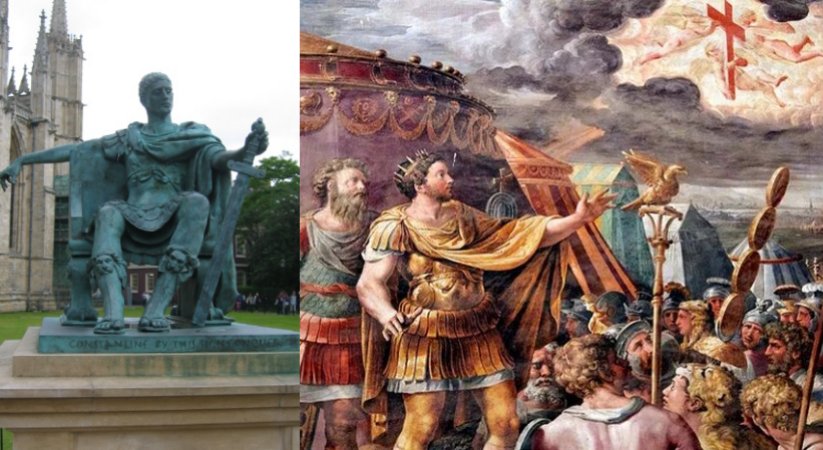
Emperor Constantine changed the face of the world: he restored the Roman Empire and transformed it into a Christian empire. His reign marked a turning point in the evolution of imperial power. In the Byzantine era, he became a symbol, which is why a number of emperors symbolically adopted the title “New Constantine.” Perhaps no …

Continue reading (Română) Sfântul Constantin cel Mare – primul împărat creștin

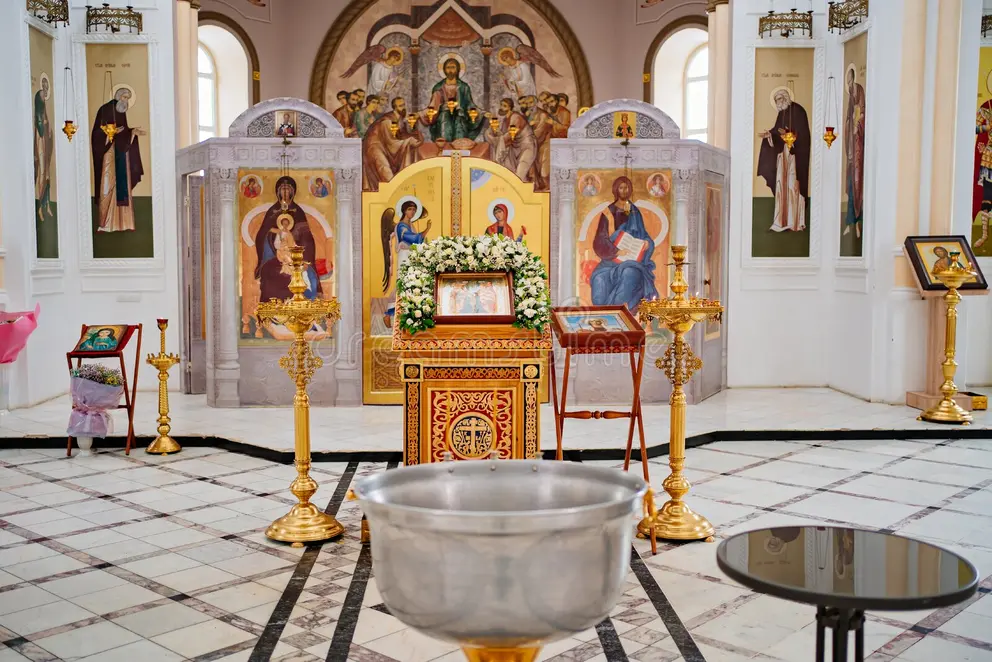
According to Orthodox tradition, when infants and young children are baptized, they must have a single godparent of the same sex as the person being baptized. By extension, if the godfather is married, his wife (or the godmother’s husband) is also considered part of this spiritual bond, and the canonical consequences of kinship extend to …

Continue reading Spiritual kinship through Baptism and Marriage

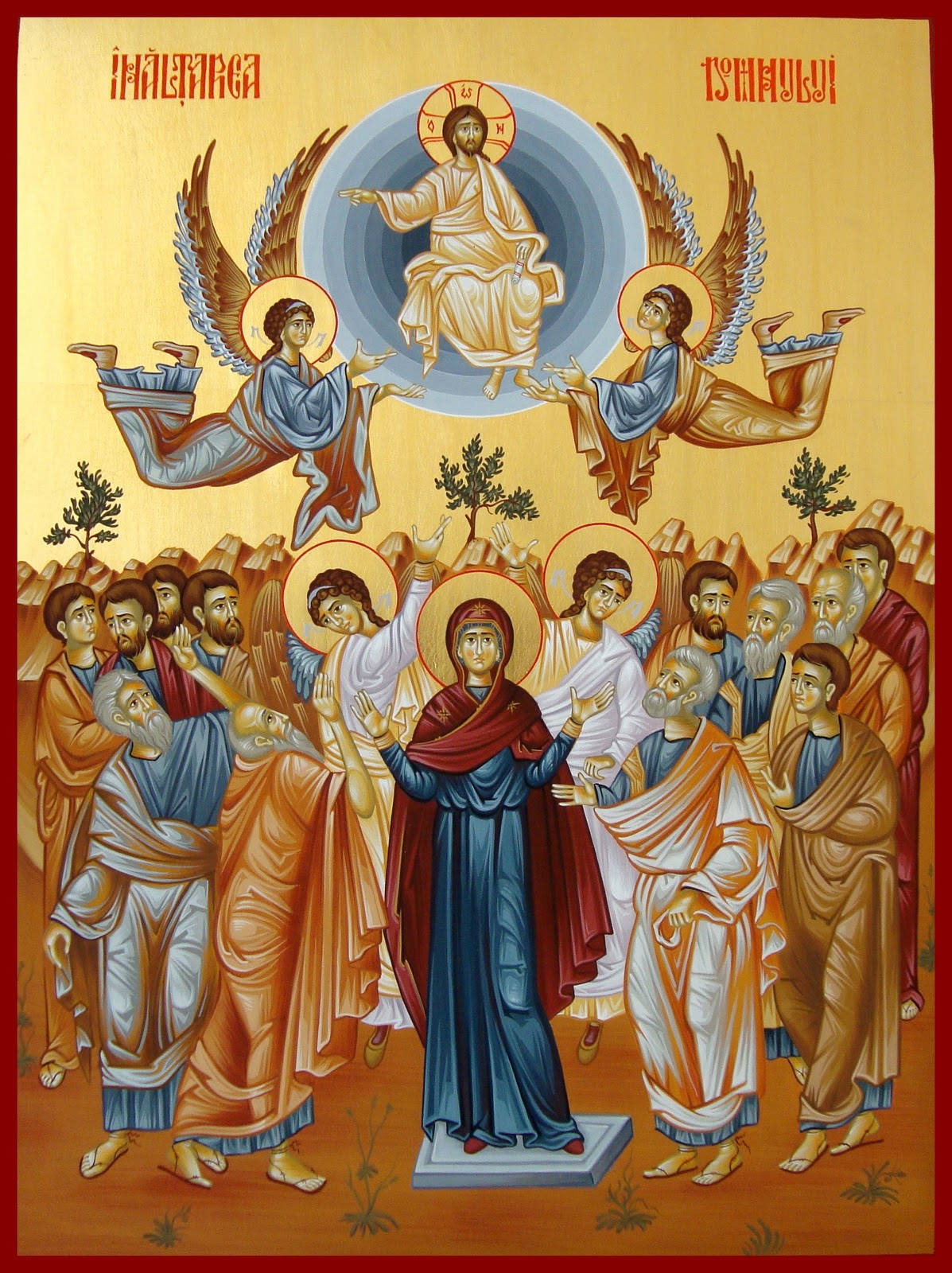
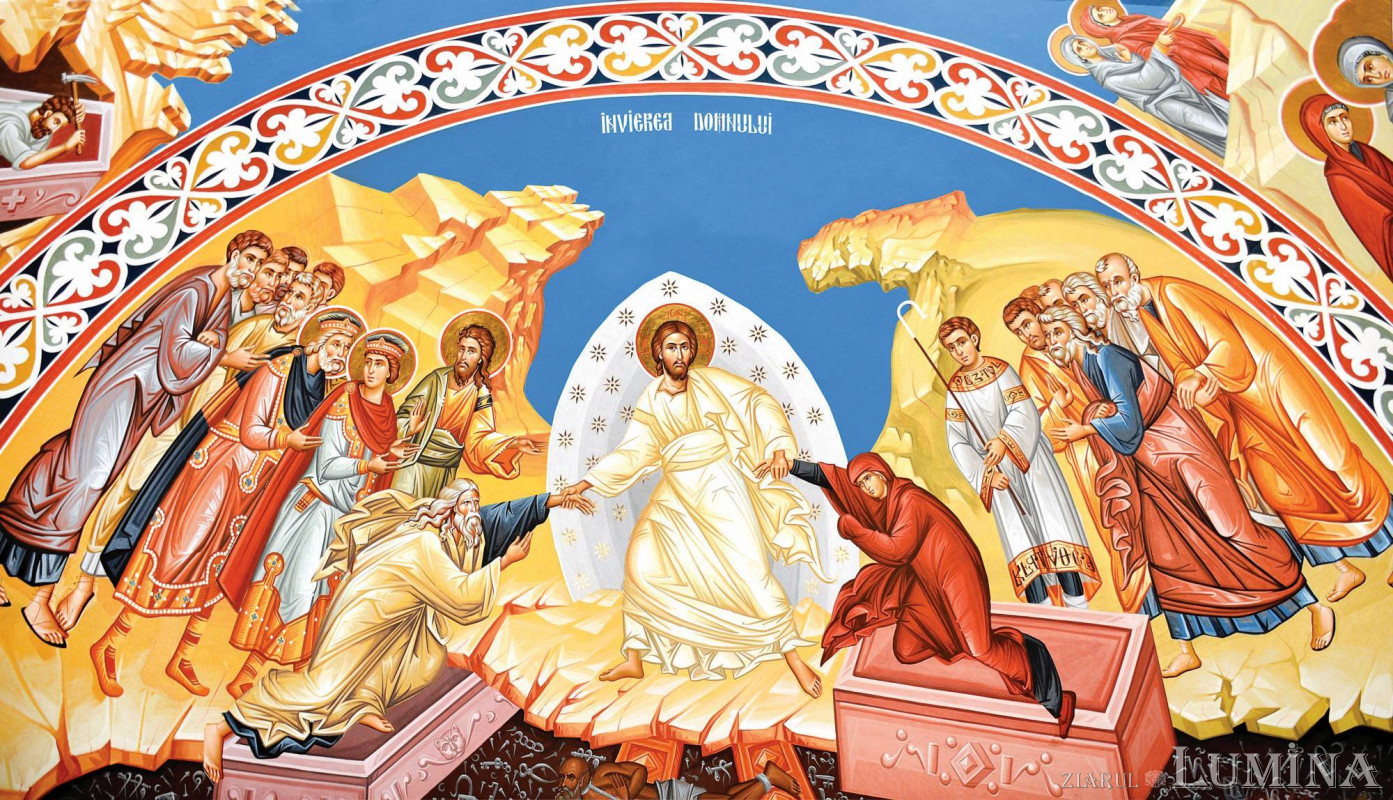
Feast of the Resurrection inaugurates Pentecostarion period. With the Resurrection of Christ during the kingdom of God opens for hymns and prayers evoked by the Church. God’s kingdom is the kingdom of the Holy Trinity. The period from Easter to Pentecost, is a revelation of the Trinity upward, constantly highlighting the Trinity, the fundamental doctrine …

Continue reading The time of ”Blooming Triodion”

Christ is risen! The most beautiful and uplifting feast is the day of Resurrection. This is the day the purest joys of the sweet caresses, the largest wonders on the deepest mysteries. It is “the day which the LORD hath made; we will rejoice and be glad in it.” Christ is alive! … Christ lives! …

Continue reading Christ is risen!

Vigils are starting on Palm Sunday night until Good Friday, when singing the Lamentations of the Lord. The word “denia” comes from slavic “vdenie” and mean nocturnal vigil or service. In Transylvania, we meet the word “straste”. This term has the meaning of “passion”. The phrase “go in strasti” means “go to denia”. Vigils are …

Continue reading The Vigils of the Holy Week